
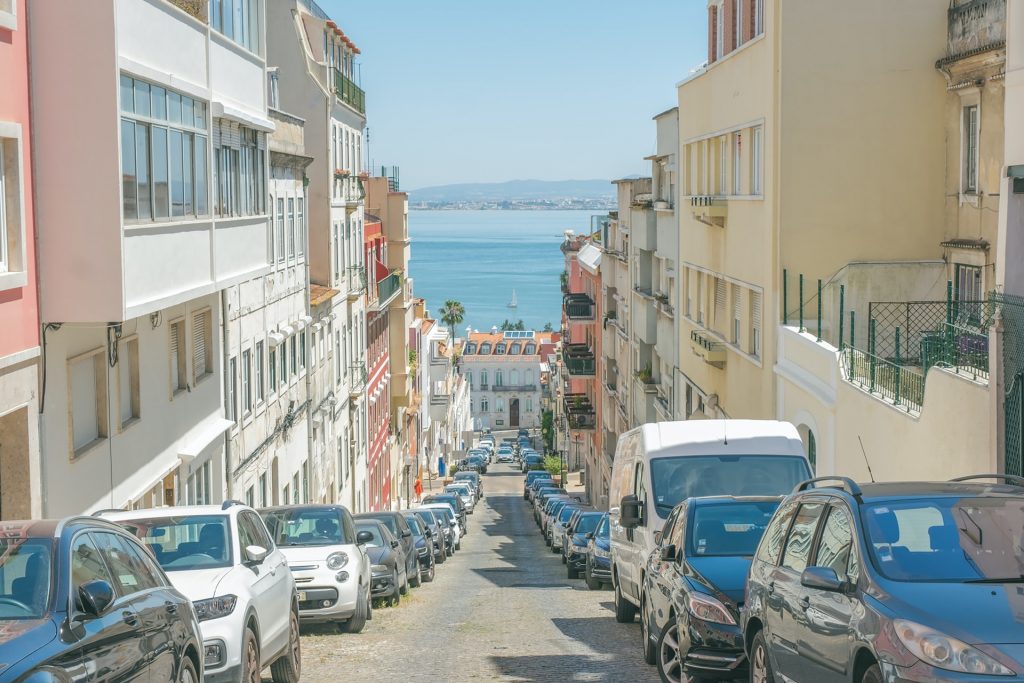

Anyone walking through the steep, quiet streets of Lapa—flanked by mansions and classical buildings overlooking the Tagus River—would hardly imagine they’re walking through Lisbon’s first shantytown.
Today, buying a home in this area requires a budget in the millions, but its founding was far from being a project designed for the financial elite.
Shall we explore the history of the Lapa neighborhood?
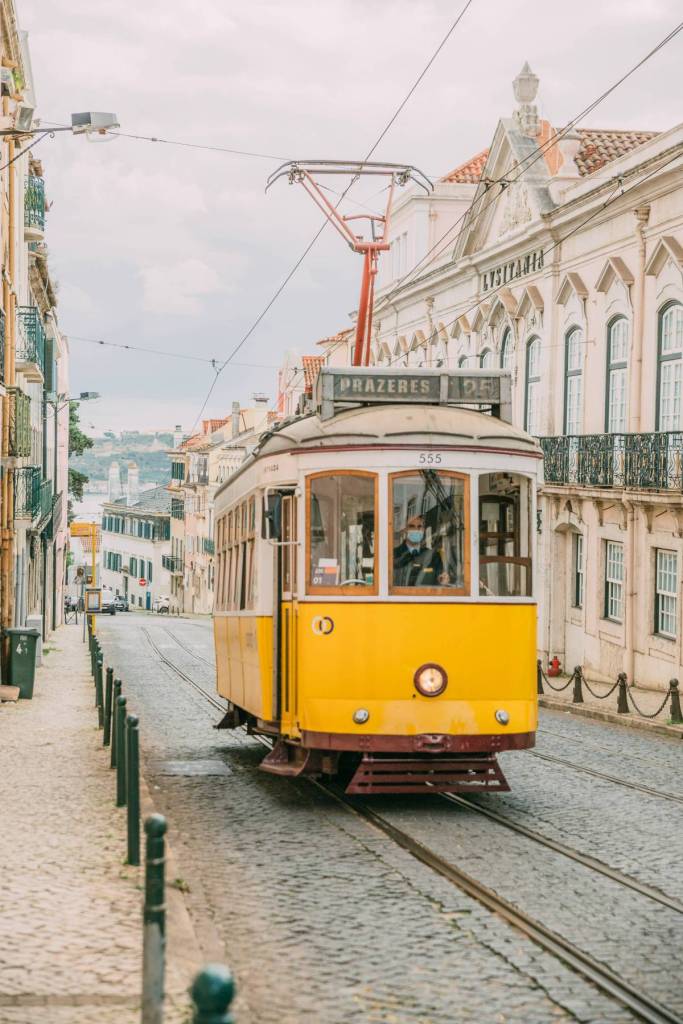
The story begins in 1756. Lisbon was still smoldering and recovering from the devastation caused by the previous year’s earthquake. The housing crisis was absolute, and thousands of people needed a place to live away from the destroyed downtown area.
While the Portuguese crown and urban planners—including the Marquis of Pombal—were mapping out the city’s official reconstruction, a group of nuns from the Convent of Trinas do Mocambo decided to bypass the bureaucracy, even refusing to cede land to the wealthier residents.
To shelter the working-class and destitute population, the nuns quickly began promoting the illegal subdivision of their lands to allow the displaced to build shelters, in defiance of official plans.
Thus, an informal settlement sprang up on the fringes of the law; the first foundations of what is now the Lapa neighborhood were laid. The Lisbon Museum’s own records classify the area as the city’s first illegal neighborhood. The exhibit panel for Chronicles of an Unknown Lisbon at the Pimenta Palace read:
"Lapa: Lisbon’s first informal neighborhood."
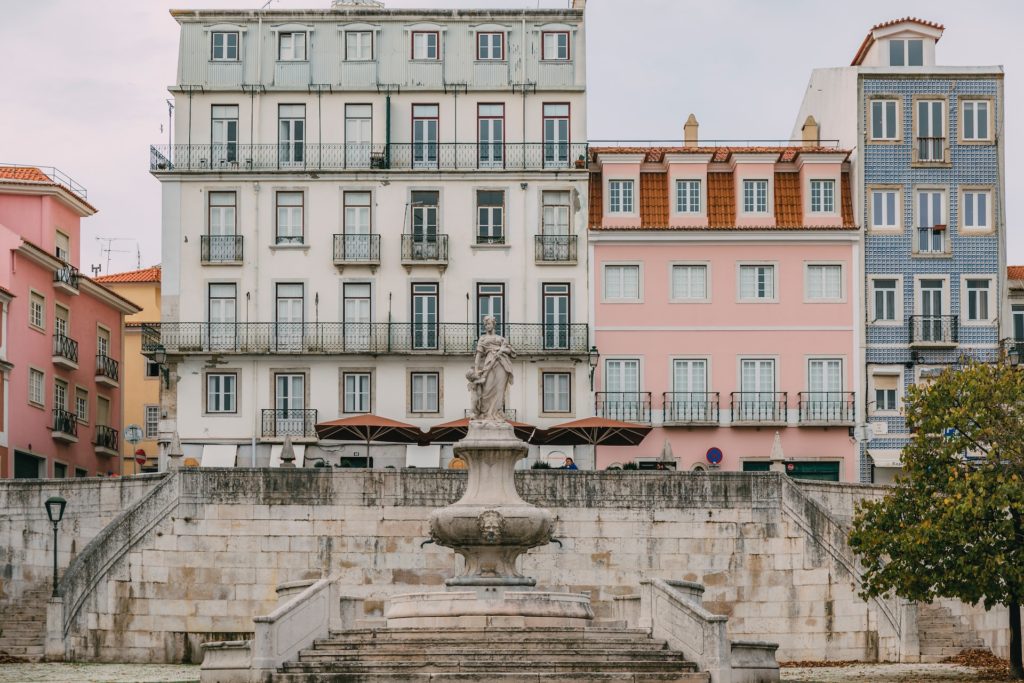
So how did it become a luxury neighborhood today?
The transition from a working-class neighborhood to a luxury residential area didn’t happen overnight. Lapa’s location—at the top of a hill, with unobstructed views, air considered purer at the time, and, crucially, safe from the river’s waters in the event of another tsunami—became highly coveted.
Gradually, the bourgeoisie, the nobility, and, later, the diplomatic corps began buying up land and replacing working-class homes with imposing mansions.
The nuns’ clandestine activities and defiance gave way to exclusive residences and high-end cars—an unlikely urban transformation that reminds us that the country’s most coveted neighborhoods are sometimes born from simple acts of subversion.
Today, the Lapa neighborhood is known for having the “home of Portuguese democracy,” the Assembly of the Republic, as its “neighbor,” and for having one of the city’s most beautiful gardens right on its doorstep—the Jardim da Estrela, which also features one of the capital’s most beautiful bandstands.
Don’t miss out! Follow us on Facebook, Instagram, and now on WhatsApp too!