
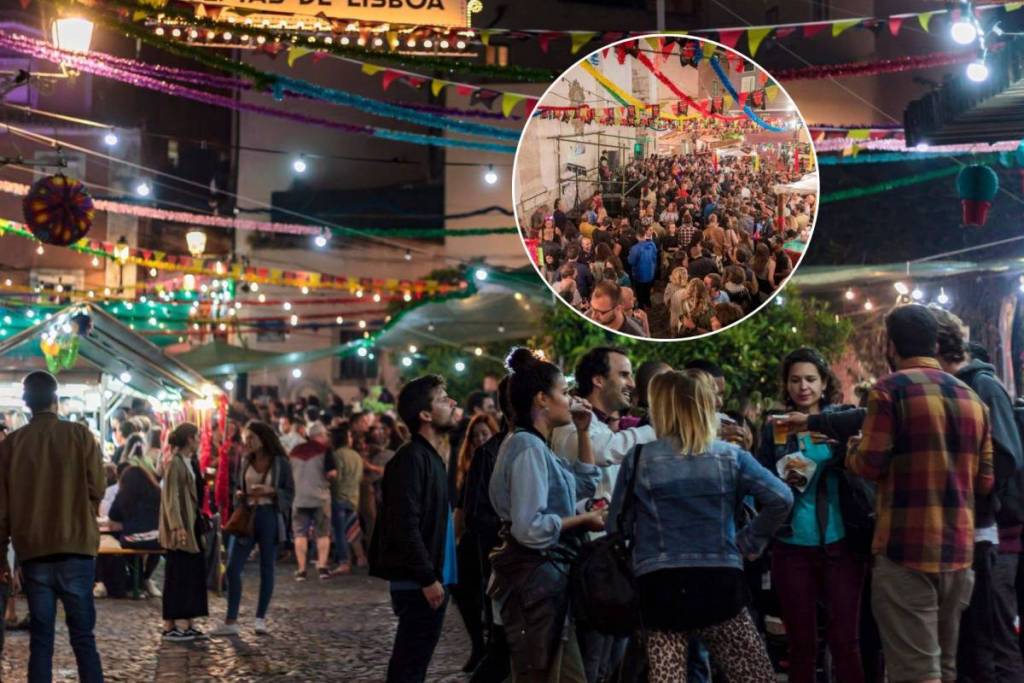

The smoke from the grills mingles with the warm air and the sound of music begins to echo through the hills of Lisbon, transforming yet another June into a massive open-air festival, but did you know that the roots of this nighttime revelry hide a deep past?
Far beyond religious devotion, the reason the city celebrates so intensely lies in practices forgotten by time.
The solstice and the power of fire
Before the festive calendar belonged to the saints, ancestral communities gathered to mark the arrival of the summer solstice. The change of season called for rituals connecting them to nature, the most striking practice being the lighting of large bonfires outdoors.
These flames served a direct purpose: it was believed that fire could “give strength” to the sun at its highest point of the year, an essential boost to ensure good harvests in the coming months of agricultural work.
Over the centuries, the Church Christianized the tradition. The bonfires and pagan celebrations took on a new form in the calendar, giving rise to the official Festivals of the Popular Saints.
In Lisbon, this process gave rise to a unique historical dynamic. Although Saint Vincent holds the title of patron saint of Lisbon, the devotion of the people defied convention and chose to celebrate Saint Anthony in grand style as the principal patron saint of the city of Lisbon.
The night of June 12–13 became the longest and most eagerly awaited of the year, entirely dedicated to this popular figure.
Symbols and traditions
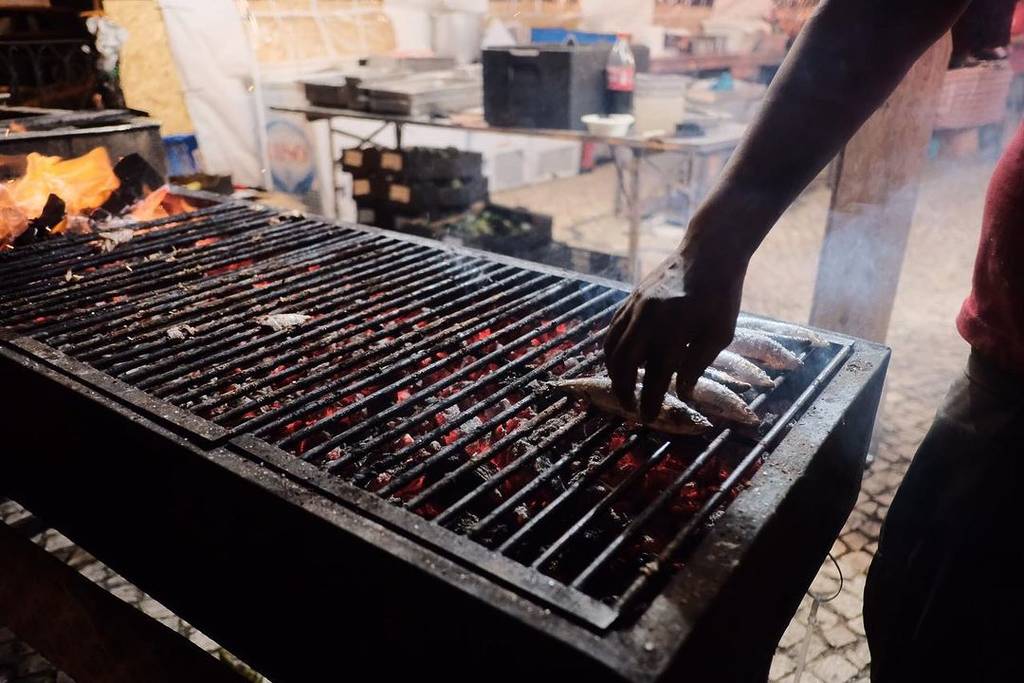
In Lisbon, the symbols that make this a unique tradition are well known :
- Basil plants
- Grilled Sardines
- Popular Processions
Avenida da Liberdade and the flavor of the streets

The transition from the sacred to the street takes place through a non-negotiable menu. The essence of Lisbon’s festivals lies in the classic sardines dripping onto bread, the hot caldo verde to warm you up at night , and the grilled pork ribs.
These simple elements serve to immediately bring together neighbors, visitors, and outsiders around the small bonfires set up in the narrow alleys.
Complementing the experience of each neighborhood is the competitive spectacle of the Marchas Populares. The choreographed parade winds down Avenida da Liberdade on the night of June 12, pitting different city neighborhoods against one another through music and dance.
Local pride takes over the entire city, proving that what once began as a direct appeal to the sun to protect agriculture has become the central pillar of Lisbon’s culture.
Sometimes, finding the latest news from Lisboa Secreta online is like looking for a needle in a haystack. Not anymore! Bookmark us as a Favorite Source.