

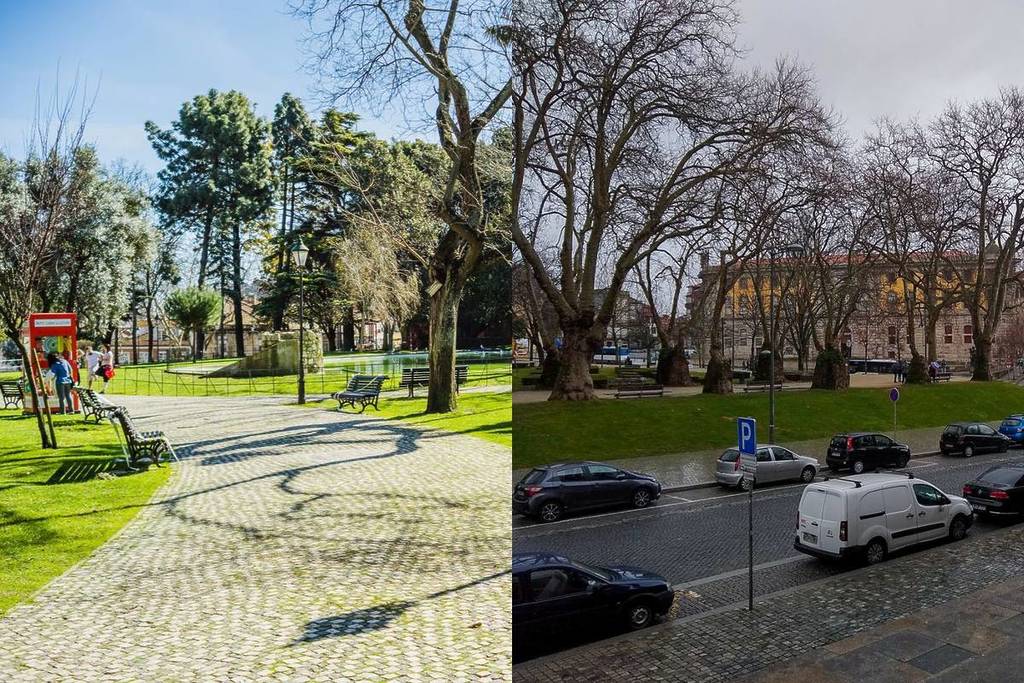
Lisbon and Porto are Portugal’s two largest cities, but they have very different customs and characteristics. What’s more, there are about 315 kilometers by freeway separating these two national icons. However, did you know that there are points in common? If you look at the toponymy of both, you can find streets with the same name shared between Lisbon and Porto.
The toponymy of streets and roads can refer to national figures and relevant historical dates, so it’s not surprising to find streets with a similar name in Lisbon and Porto. From Campo dos Mártires da Pátria to Rua da Vitória, get ready for a (different) themed itinerary that takes you on a journey from the north to the south of Portugal.
Table Of Contents
Campo dos Mártires da Pátria
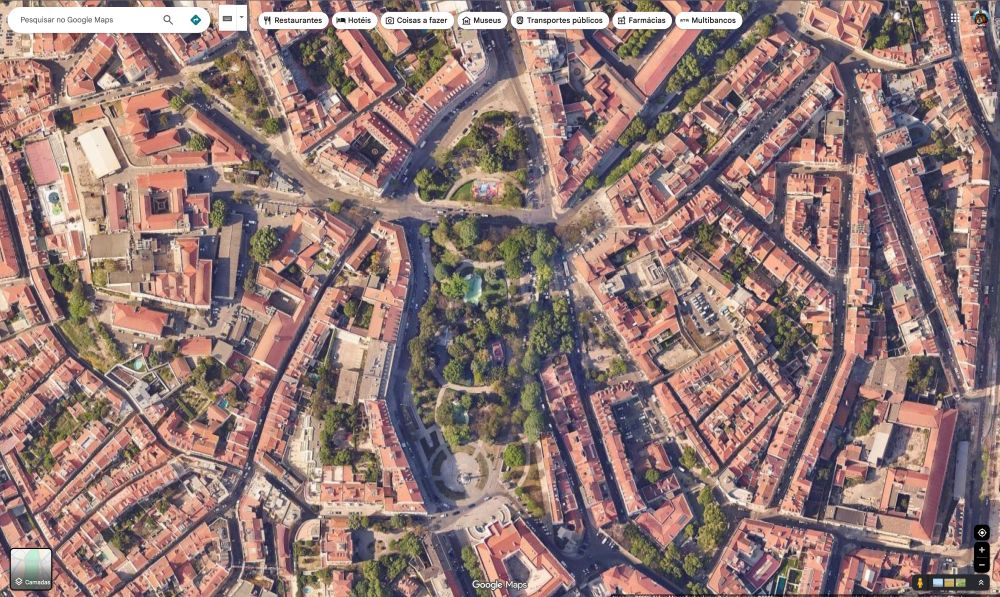
In the city of the ‘7 Hills’, Campo dos Mártires da Pátria links two important parts of the capital, between Avenida da Liberdade and Avenida Almirante Reis.
In the past, it served as a bullring and even hosted the famous Feira da Ladra. Today, however, it is more of a green space for relaxing, especially on sunny days.
Its current name was only made official in 1880 and pays homage to “General Gomes Freire de Andrade and his companions, conspirators who tried to overthrow the local government of Marshal Beresford and were hanged here”.
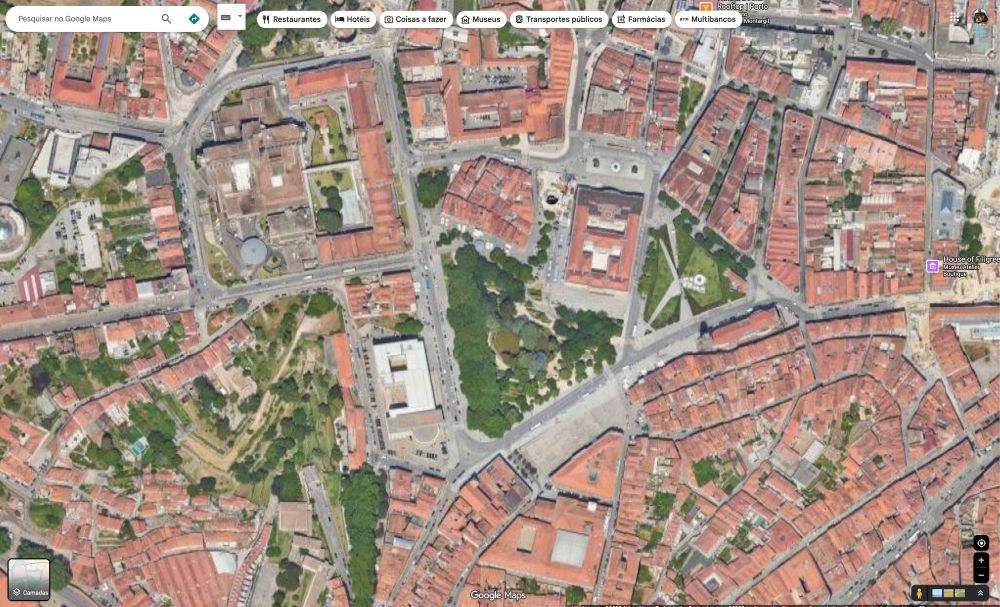
In the Invicta city, Campo dos Mártires da Pátria is located in one of the most central areas of Porto, but it is better known as Cordoaria and is very close to the Clérigos Tower.
It used to be called Largo do Olival, but its name was changed to commemorate the 12 “Martyrs of Freedom” who were hanged in 1829 by order of the miguelist courts.
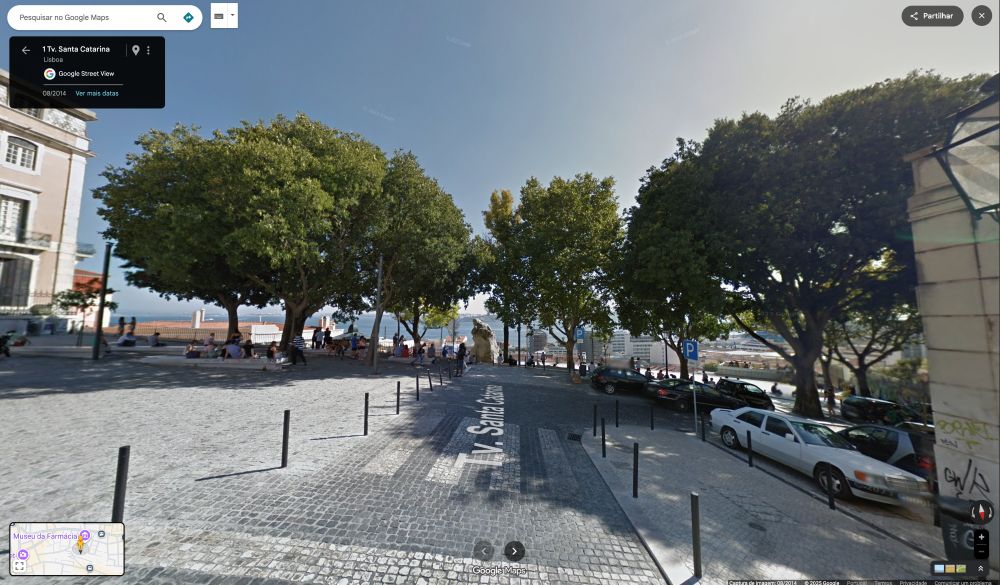
Rua de Santa Catarina
In Lisbon, Rua de Santa Catarina is a street located in the historic (and bohemian) Bairro Alto area. Its name comes from the old parish church of Santa Catarina.
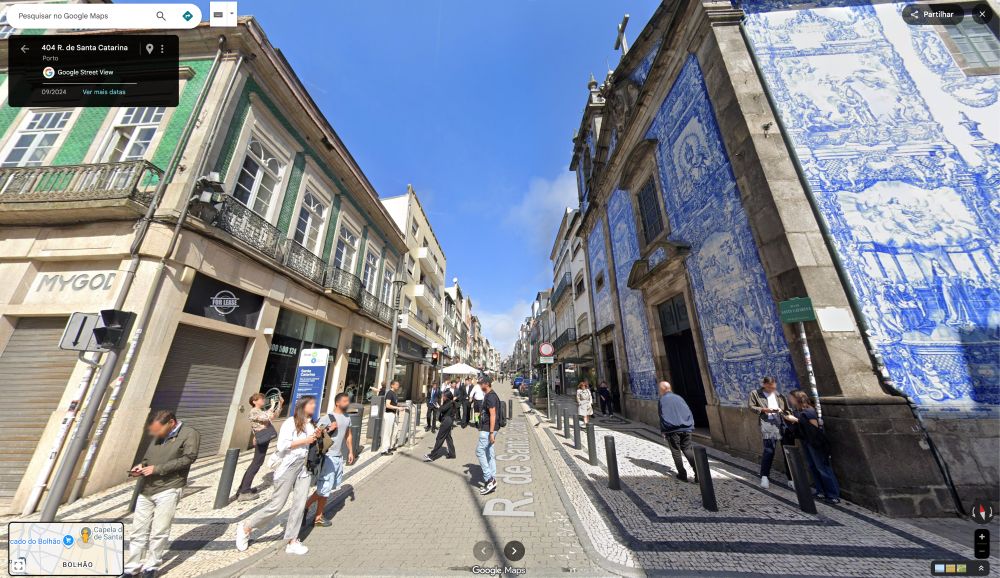
In Porto, Rua de Santa Catarina is one of the city’s most emblematic streets and is considered a commercial hotspot. There, you can find, for example, the famous and historic Café Majestic.
Rua das Flores
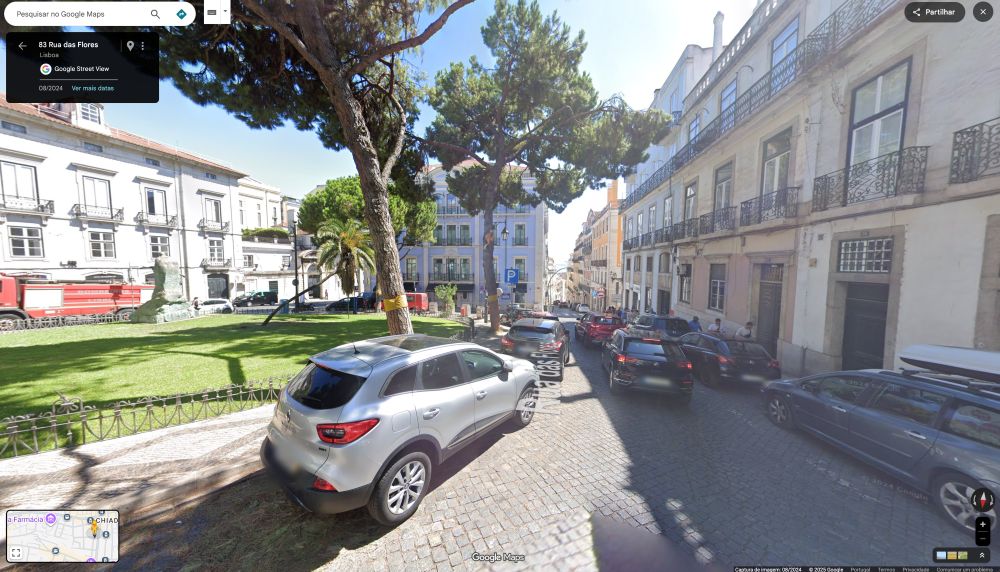
In Lisbon, Rua das Flores serves as the link between Largo Camões and the Cais do Sodré area. And, without a doubt, one of its greatest secrets is that it was featured in the book “A Tragédia da Rua das Flores”, by Eça de Queirós, one of the greatest Portuguese writers of all time.
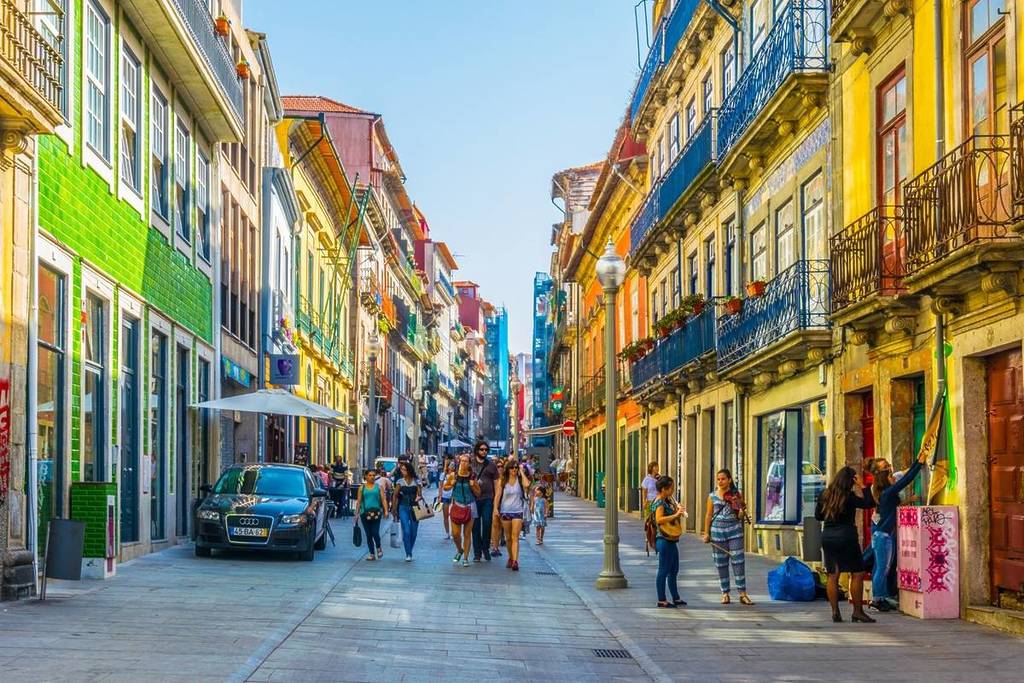
In Invicta, Rua das Flores is another of the city’s most emblematic streets and one of the most picturesque and sought-after by tourists for a stroll.
In 2014, it underwent an intervention and became pedestrianized. After that, it ended up becoming one of Porto’s trendiest streets, with several businesses, including bars and restaurants.
Rua (de) Passos Manuel
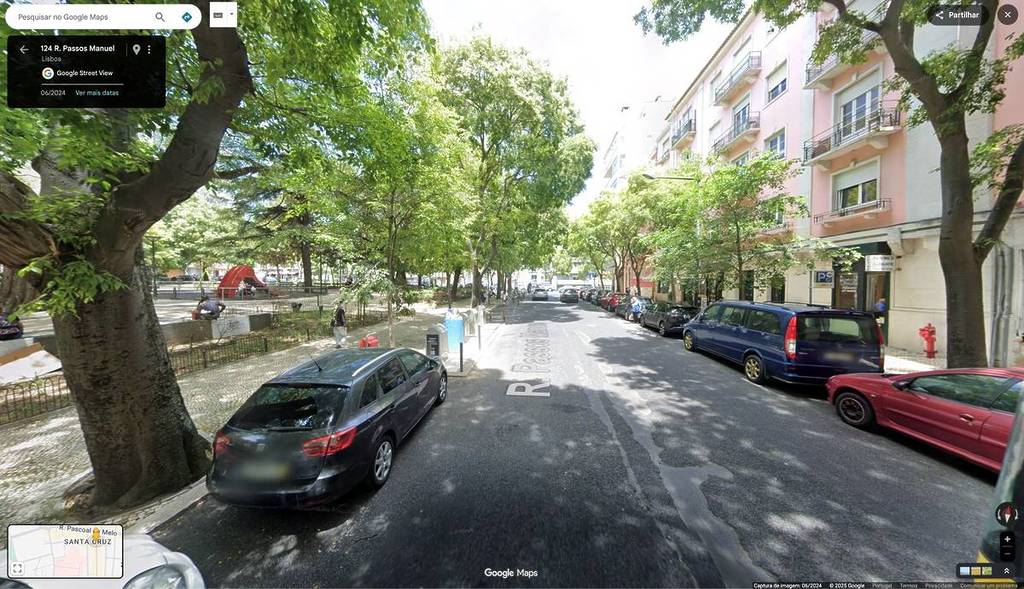
In the capital, Rua Passos Manuel is one of the streets that leads to Jardim Constantino, in the Estefânia area.
It is said to be named after the main leader of the September Revolution in the 19th century, who was also a minister between 1836 and 1842.
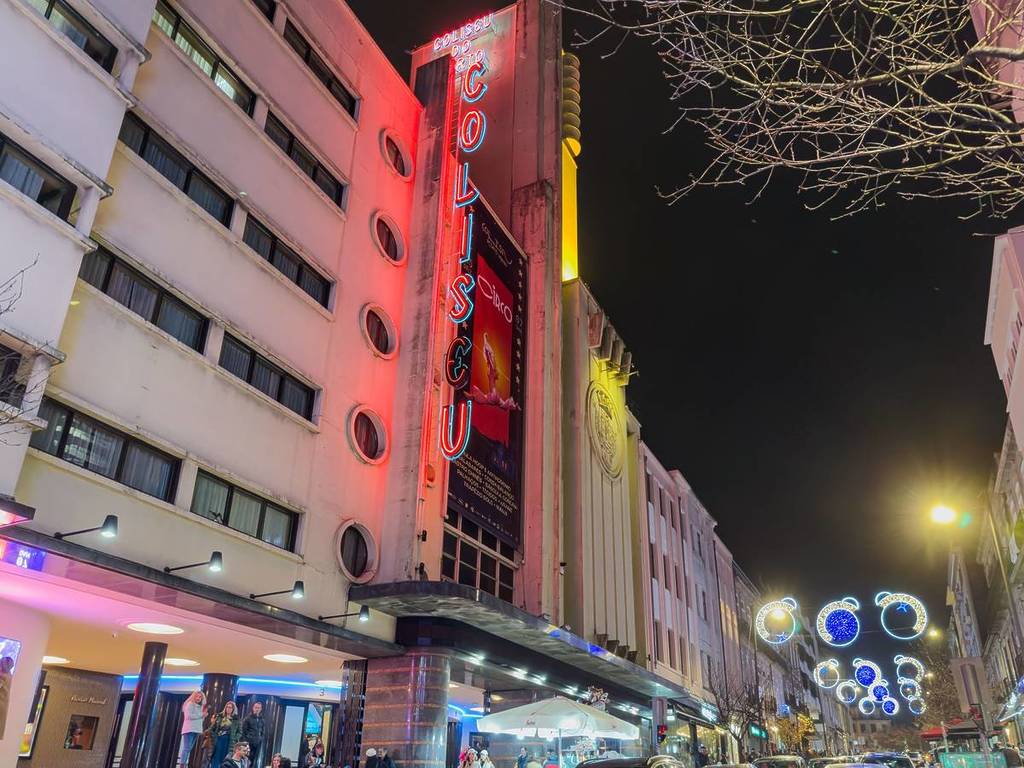
In Porto, Rua de Passos Manuel is another of the city’s best-known streets, home to the irrepressible Coliseu Porto Ageas, the famous Maus Hábitos and the iconic Passos Manuel.
Its name was made official in 1877 and it therefore celebrates the same politician as the Lisbon street with which it shares the same name.
Rua da Vitória
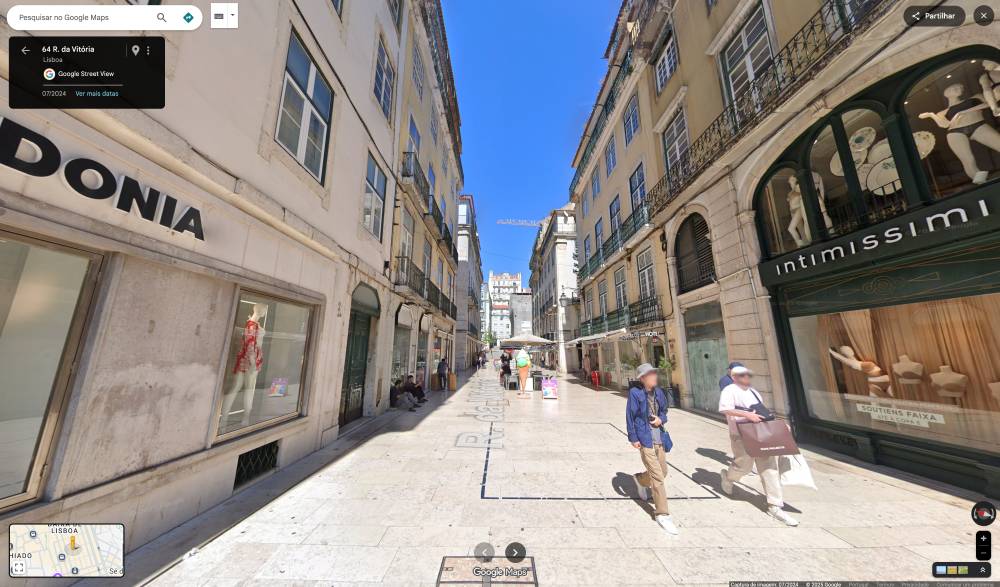
Located in the heart of Baixa Pombalina, Rua da Vitória owes its name to the old Chapel of Nossa Senhora da Vitória.
After the tragic earthquake of 1755, the reconstruction of this area made it one of the best examples of post-earthquake urban reorganization in Lisbon.
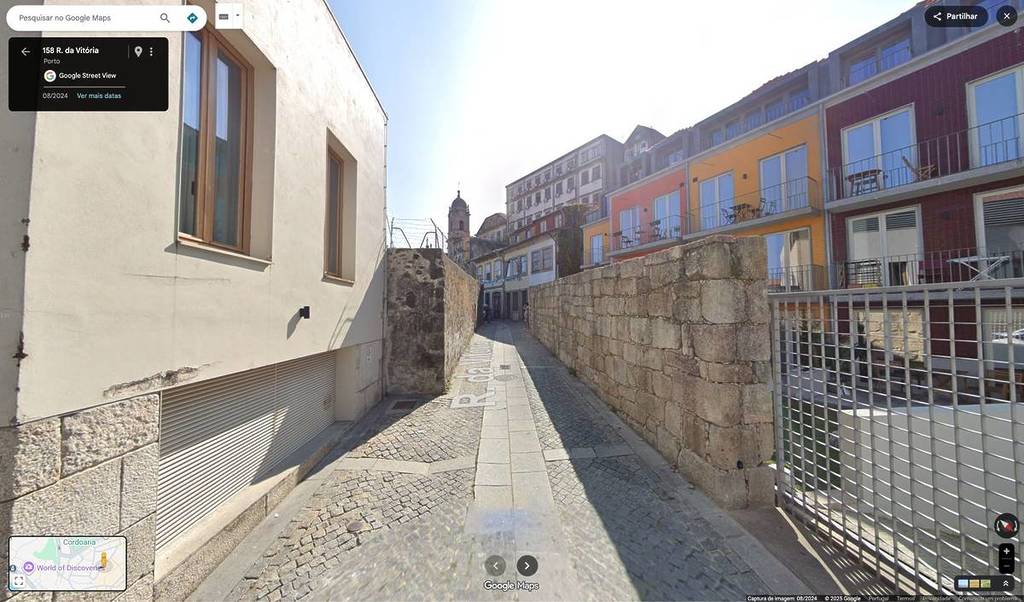
In Invicta, walking along Rua da Vitória is synonymous with immersing yourself in the historic center of Porto, in an area with medieval roots.
The name of this street is deeply linked to the Convento da Vitória and the topography of Morro da Vitória.
In its past, it was home to a strong Jewish presence and was the scene of remarkable episodes during the famous Siege of Porto.
Rua Mouzinho da Silveira
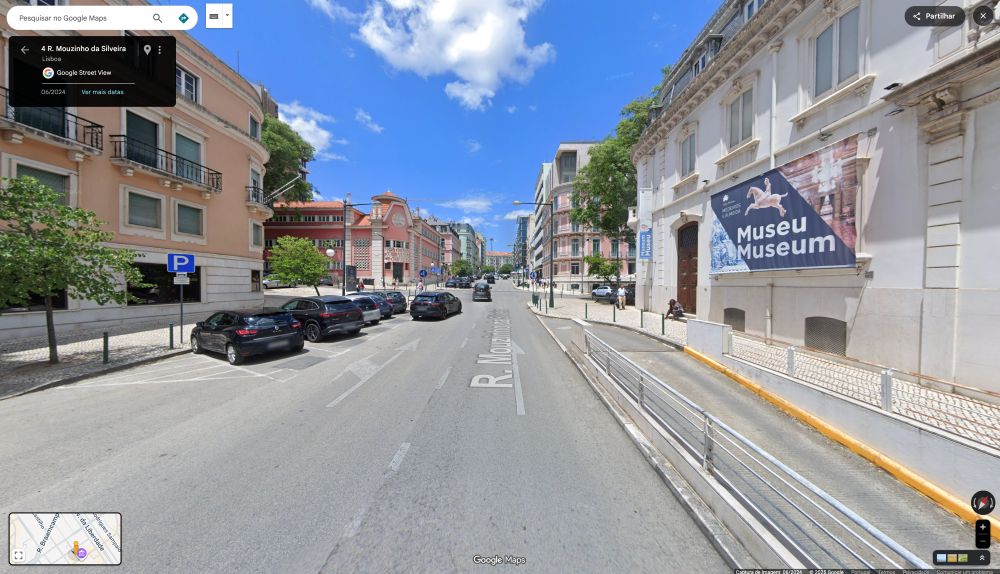
In the capital, Rua Mouzinho da Silveira dates back to 1882 and commemorates José Xavier Mouzinho da Silveira, founder of the Supreme Court of Justice.
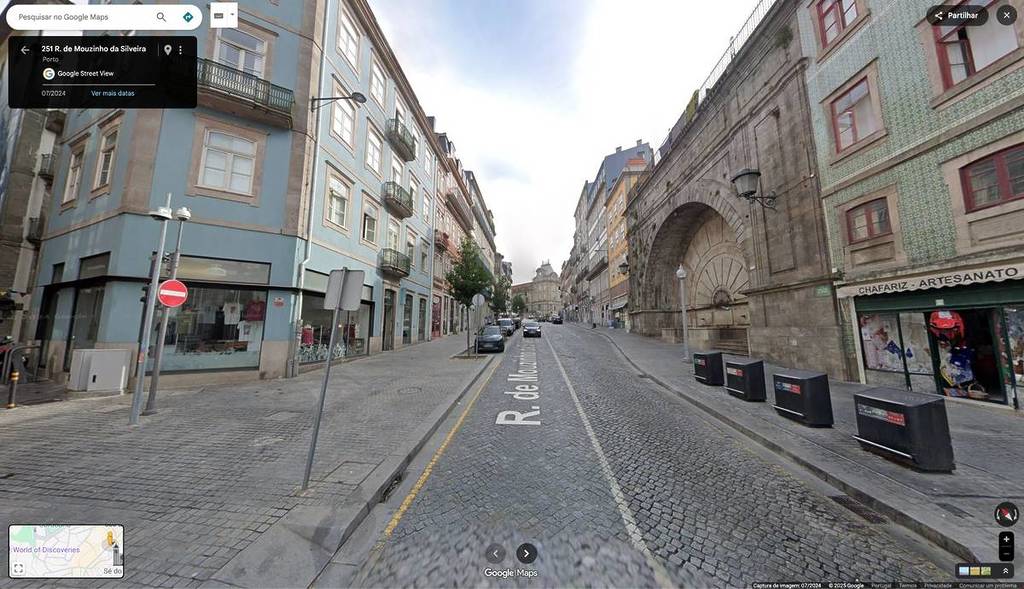
Parallel to Rua das Flores in Porto, Rua Mouzinho da Silveira connects São Bento Station to the Ribeira area.
The origin of its name is a tribute to José Xavier Mouzinho da Silveira, one of the most important politicians in Invicta during the liberal revolt of 1820.
Rua Silva Porto and Travessa Silva Porto
In Lisbon, there are two streets that pay homage to the famous Portuguese painter António Carvalho da Silva Porto, considered by many to be the “founder of Portuguese naturalism”, who lived in the capital and saw his talent recognized throughout the country.
Rua Silva Porto is located in the parish of Benfica, in the Bairro de Casas Económicas de Santa Cruz area, next to Silva Porto Park, also known as Mata de Benfica.
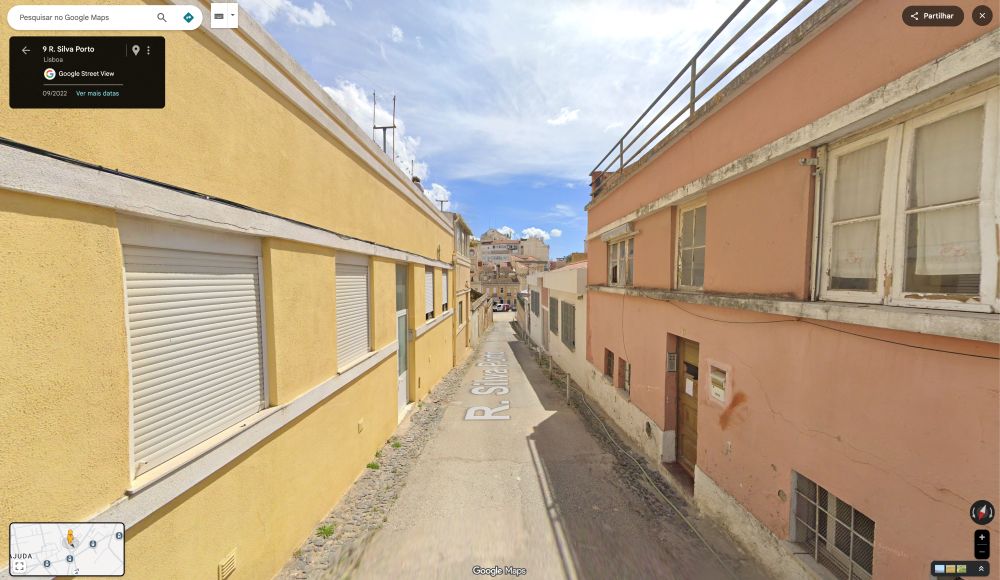
Travessa Silva Porto is in the parish of Ajuda and is essentially a residential area.
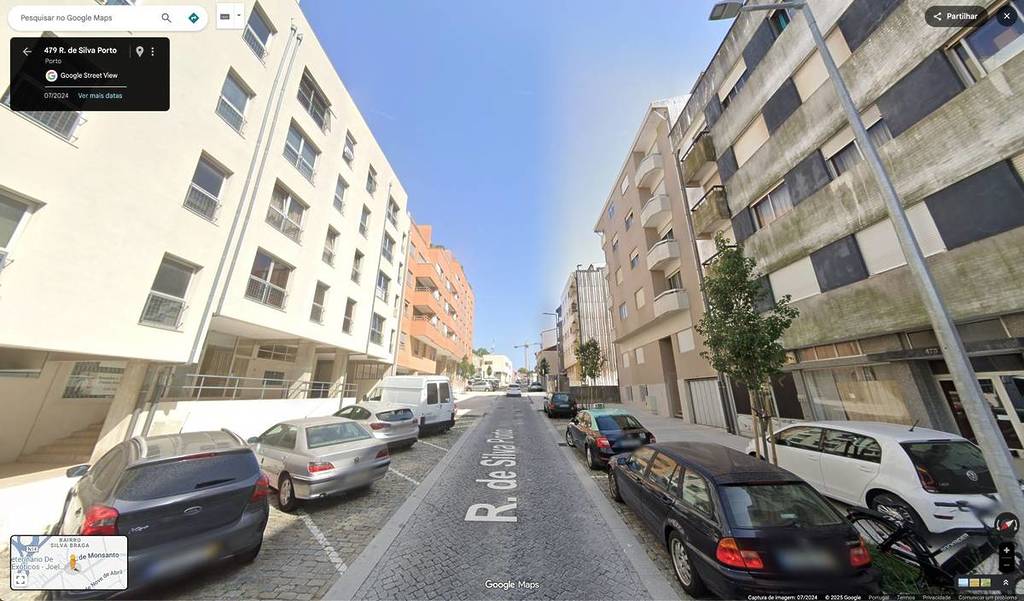
António Carvalho da Silva Porto lived in Lisbon, but it was in Porto that the famous painter was born, a fact that also led to two tributes to him for posterity: Rua Silva Porto and Travessa Silva Porto, both in the Paranhos area.
Don’t miss out! Follow us on Facebook, Instagram and now also on WhatsApp!