
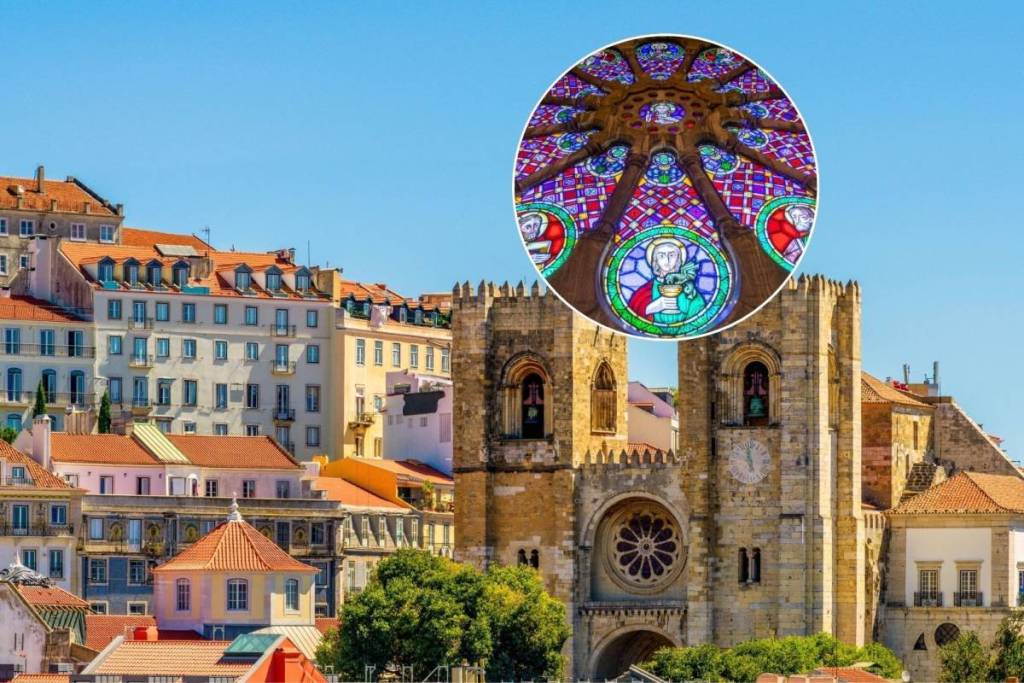

Nearly 20 years after the first edition, our country has new wonders to discover—and one of them stands right in the heart of the City of Seven Hills. With nearly nine centuries of secrets and resilience, the imposing Lisbon Cathedral has just been honored in the Religion category of the“New 7 Wonders of Portugal,” a public voting contest dedicated to Portugal’s built heritage.
In the 2026 edition, out of a total of 21 finalists, only seven heritage sites won this coveted title. This year’s main focus was celebrating our heritage, from the oldest to the most contemporary, divided into the following categories: History, Major Works, 20th-Century Architecture, 21st-Century Architecture, Tourism, Castles, and, of course, Religion. The finals took place on September 12 at the National Palace of Sintra.
From medieval fortresses and archaeological sites to futuristic wineries, labyrinthine gardens, and markets brimming with character, there’s an entire itinerary to explore. Shall we discover them?
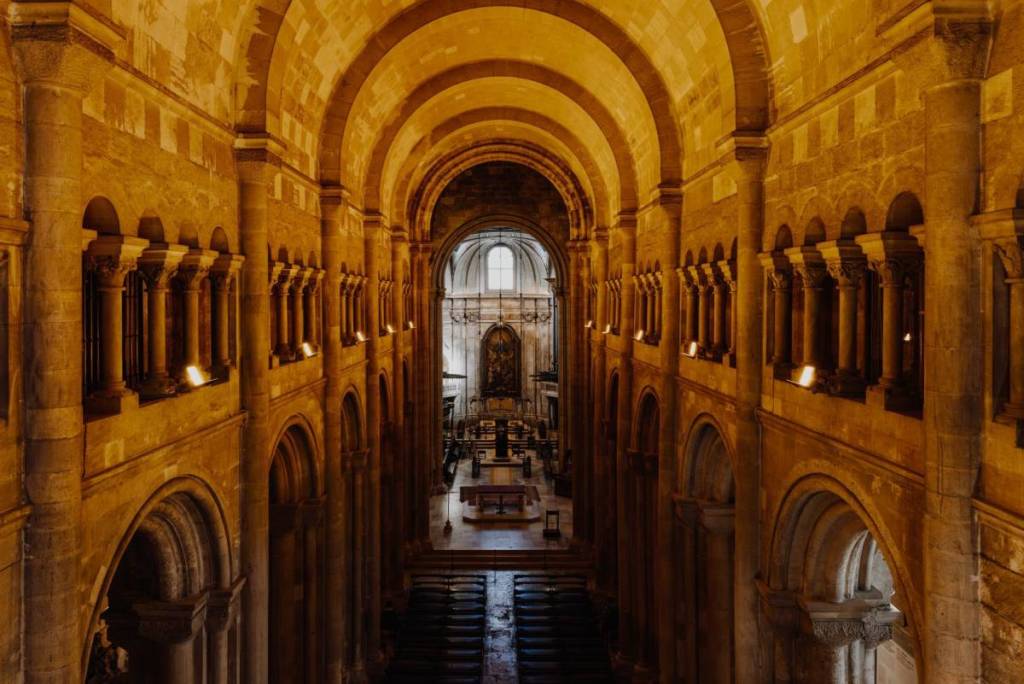
Lisbon Cathedral is considered the oldest church in the city and one of the country’s most iconic monuments. Construction began following the Christian reconquest of Lisbon in 1147, during the reign of King Afonso Henriques. The building was apparently erected on the site of the former Muslim mosque.
When you visit it, you’ll encounter a fascinating blend of architectural styles ranging from the original Romanesque to Gothic, Baroque, and Neoclassical, shaped over the centuries and in the aftermath of the 1755 earthquake.
Don’t miss the opportunity to climb up to the upper choir to admire the imposing rose window and enjoy a privileged view of the interior, explore the Bartolomeu Joanes Chapel, descend to the cloister excavations, and marvel at the unique collection of the Patriarchal Cathedral Treasury.

In the Castles category, the big winner was Leiria Castle—and the victory couldn’t have felt more special. Perched atop a hill with a breathtaking panoramic view, this 12th-century monument looks like something out of a fairy tale, yet it has proven to possess an unshakable strength.
Recently, the fortress commissioned by Afonso Henriques faced one of its greatest trials: the passage of Storm Kristin. Early this year, severe weather devastated the region and caused damage amounting to millions of euros. But the stone giant withstood the storm . Following rapid repairs, Leiria Castle has reopened its doors and is ready to welcome you.
Usseira Aqueduct
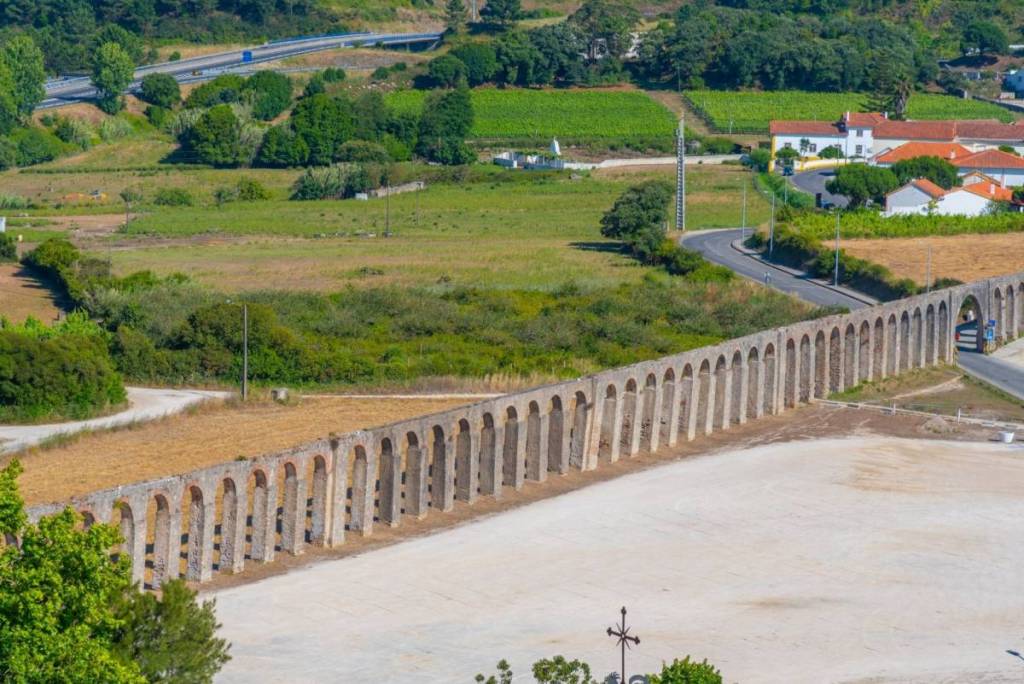
Óbidos is considered one of the most beautifulmedieval towns near Lisbon and, of course, beyond its borders as well. However, it was not its imposing castle that earned the title of one of Portugal’s New Wonders, but rather the Usseira Aqueduct.
This structure won in the Major Works category and was built in the 16th century, during the reign of Queen Catherine of Austria, with the aim of bringing water to the town. In total, this masterpiece of hydraulic engineering stretches for about three kilometers.
Roman Ruins of São Cucufate

The Roman presence can be felt from north to south in Portugal—and proof of this is that Conímbriga and the city of Ammaia are not the only treasures to be admired within the country. It is in the heart of the Alentejo that the grand winner of the History category is found: the Roman Ruins of São Cucufate, in the municipality of Vidigueira.
Located near Vila de Frades, these ruins conceal a complex that is approximately two thousand years old. This ancient agricultural villa is impressive not only for its vast size but also for a detail that is incredibly rare throughout the Iberian Peninsula: its first floor still stands imposingly, having withstood the passage of millennia.
Olhão Markets
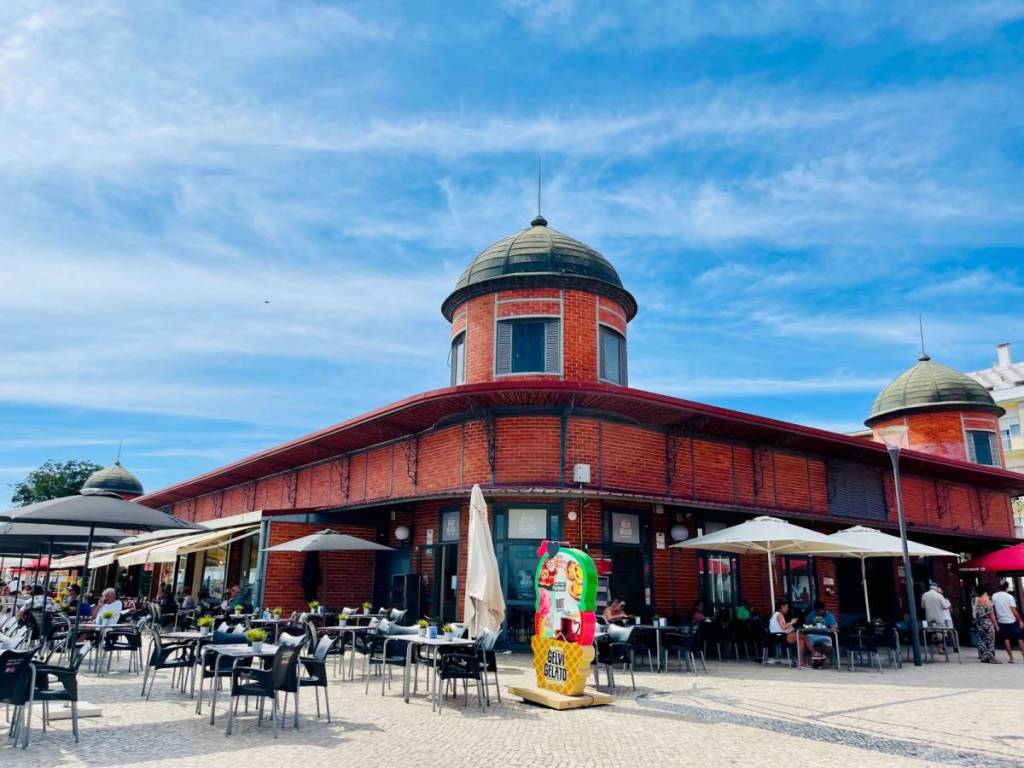
After the History category, it’s time to discover the winner of 20th-Century Architecture. To do so, we’re hitting the road toward the Algarve to admire the unmistakable beauty of the Olhão Markets.
Construction of these two iconic red-brick buildings, famous for their corner domes, began in 1912, but the official inauguration did not take place until 1916.
Since then, they have been the true heart of the city and the grand stage for Algarve cuisine: in one of the buildings, the stalls are filled with fresh fruits and vegetables from the region; in the other, fish and seafood freshly caught in the Ria Formosa take center stage.
Tiago Cabaço Winery, in Estremoz
The most recent edition of the “New 7 Wonders of Portugal” honored 21st-Century Architecture, and the award went directly to the Tiago Cabaço Winery in Estremoz.
Located in one of the country’s most famous wine-growing regions, this building surprises visitors by blending seamlessly into the vineyards and the typical Alentejo landscape.
It is living proof that architectural beauty can (and should!) shine through even in projects with purely productive functions, combining winemaking with seamless integration into the Alentejo landscape.
Garden of the Episcopal Palace, in Castelo Branco
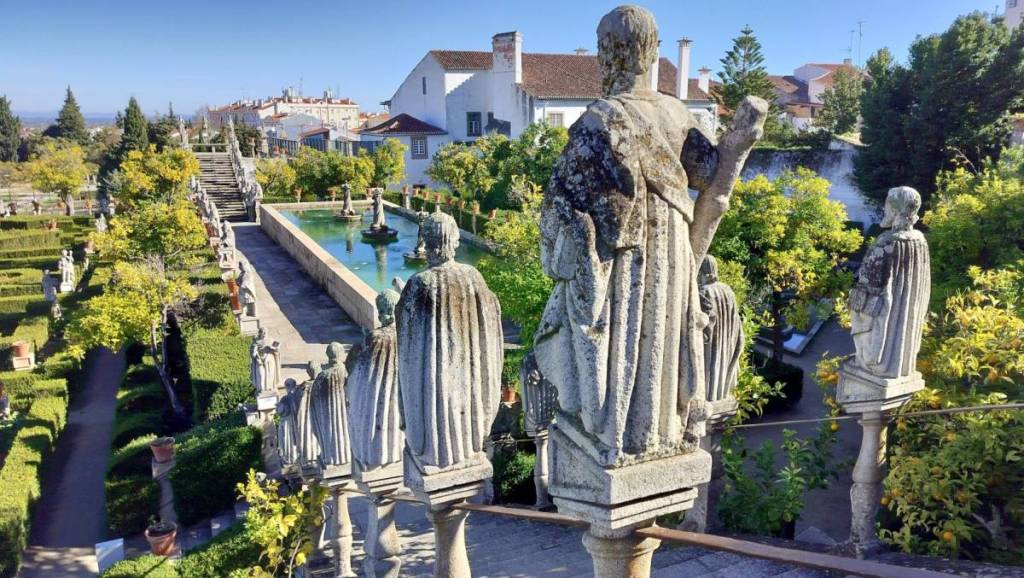
In the Tourism category , the big winner was the Garden of the Episcopal Palace of Castelo Branco, not only one of the city’s most iconic sites but a true picture-postcard example of Baroque architecture in Portugal.
Built in the first half of the 18th century, the garden surprises visitors with its various levels, where one can stroll through boxwood mazes, reflecting pools, and imposing staircases.
But the real highlight is its famous (and peculiar) stone statues —filled with hidden messages and historical symbolism—which turn a visit to this site into a true treasure hunt.