
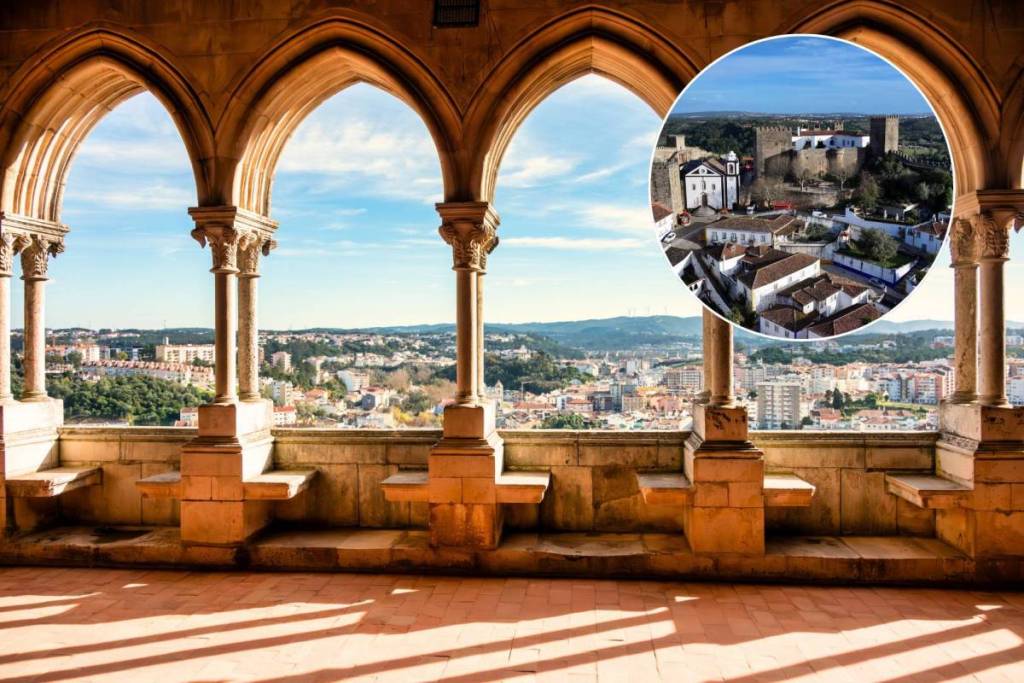

Perched atop a hill overlooking Leiria and the Lis River stands a castle that has witnessed kings, queens, battles, and, more recently, one of the most destructive storms in recent years. After being closed to the public for months due to the damage caused by Storm Kristin, Leiria Castle has reopened its doors, following restoration work costing over 10 million euros.
A fortress built to guard the border
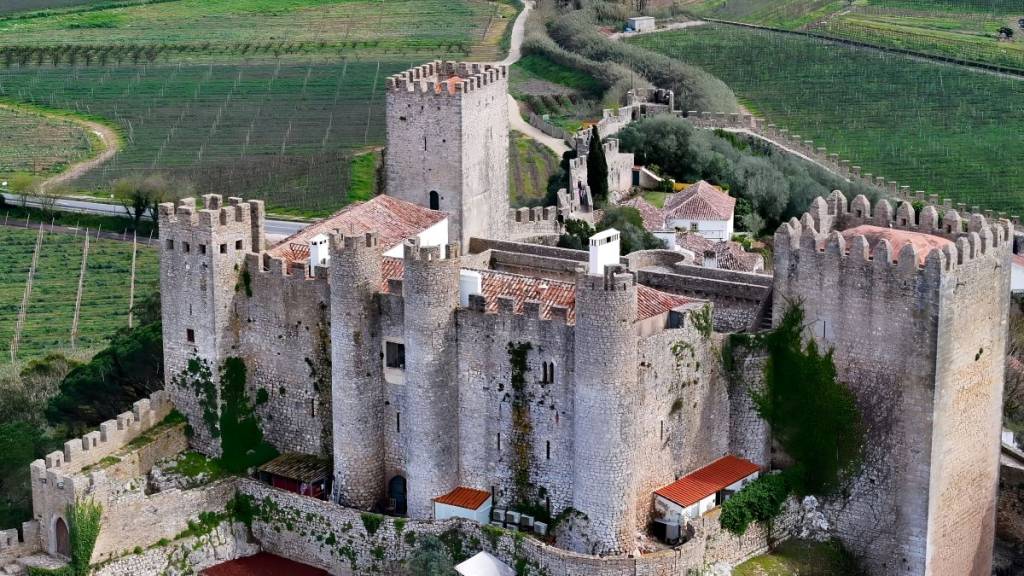
Leiria Castle was commissioned by King Afonso Henriques in 1135, atop a rocky outcrop between Coimbra and Santarém, with the aim of defending the kingdom’s southern border against Muslim attacks. Control of the castle was far from peaceful: it was conquered by the Christians, recaptured by the Moors five years later, and returned to Christian hands in 1142. After yet another attack, King Sancho I ordered it to be rebuilt in 1190.
The castle of kings and legends
No monarch is said to have loved Leiria as much as King Dinis, who resided there for long periods with his wife, Queen Saint Isabel. In July 1300, he gifted her the town and the castle, chosen as the place to raise the heir to the throne, the future King Afonso IV. It is Queen Dinis who is credited with transforming the castle into a palace, rebuilding the Church of Nossa Senhora da Pena, and beginning construction of the imposing keep in May 1324, just a few months before her death.
It is also to this royal couple that one of Portugal’s best-known legends is attributed: the Miracle of the Roses. The story goes that, one winter morning, the queen left the castle to give bread to the poor. Surprised by the king, who asked her what she was hiding in her lap, she replied , “They are roses, Sire!” Suspicious, King Dinis ordered her to open her lap. And there they were, indeed—roses, in the middle of winter. Later, in the 15th century, King João I would commission the construction of the Paços Novos, where he would celebrate his son’s wedding in 1401.
Centuries of ruin until its 20th-century restoration
With the country at peace, the castle gradually lost its military importance and slowly fell into disrepair. The 1755 earthquake and the Napoleonic invasions in the early 19th century left it practically in ruins. Restoration would not begin until the 20th century, thanks to the efforts of the League of Friends of the Castle and the Swiss architect Ernesto Korrodi. The castle has been classified as a National Monument since 1910.
The storm that put the castle to the test once again

In the early morning of January 28, 2026, Storm Kristin struck mainland Portugal, leaving a trail of destruction in its wake, and Leiria was one of the hardest-hit municipalities. The wind toppled dozens of trees inside the castle— 30 of them large and about 80 years old—and caused severe damage to the wall of the keep, which was at risk of collapsing. The Guard House, essential for welcoming visitors, was also struck by a large falling tree.
The castle was closed to the public, and the losses eventually exceeded 10 million euros. The restoration work covered the Guard House, the Pena Church, the Cistern, and the Paços Novos (one of the areas most exposed to the wind), with an initial phase lasting about 45 days and costing close to 100,000 euros.
Reopened in time for Municipality Day
Four months after the storm, Leiria Castle reopened its doors on May 22, a date that marks the city’s anniversary. It is not just any monument to the city: it was the most-visited site in the municipality in 2025, with 121,371 visitors. There is still work to be done. By the end of the year, plans call for the restoration of the Alambor do Último Reduto wall and the landscaping of the green spaces, but the castle—which has already survived the Moors, earthquakes, invasions, and storms—once again stands with its doors open.
Useful Information
Where: LeiriaCastle , Leiria
Summer hours (April through September): 9:30 a.m. to 6:30 p.m. (last admission at 5:30 p.m.)
Winter hours (October through March): 9:30 a.m. to 5:30 p.m. (last admission at 4:30 p.m.)
Sometimes, finding the latest news from Lisboa Secreta online is like looking for a needle in a haystack. Not anymore! Bookmark us asa Favorite Source.