
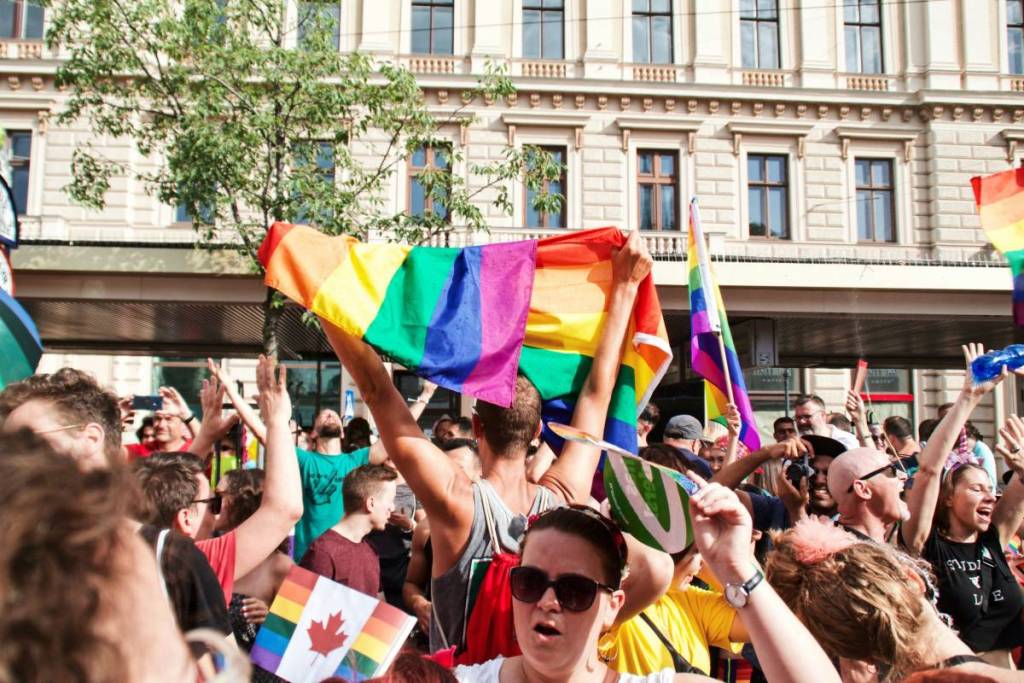

Planning a themed trip through Europe during the summer is no longer limited to music festivals or international getaways. LGBTQ+ Pride celebrations and parades have become the continent’s largest, most authentic, and politically vibrant urban events.
Far from being just street parties with confetti and loud music, these parades are living declarations of resistance, freedom, and community visibility.
So, if you’re looking for an excuse to plan your next trip, here are the European destinations that have elevated Pride celebrations to historic proportions.
Madrid, Spain (MADO): the Iberian colossus
If there’s one capital city that knows how to put its daily life on hold to embrace diversity, it’s Madrid.
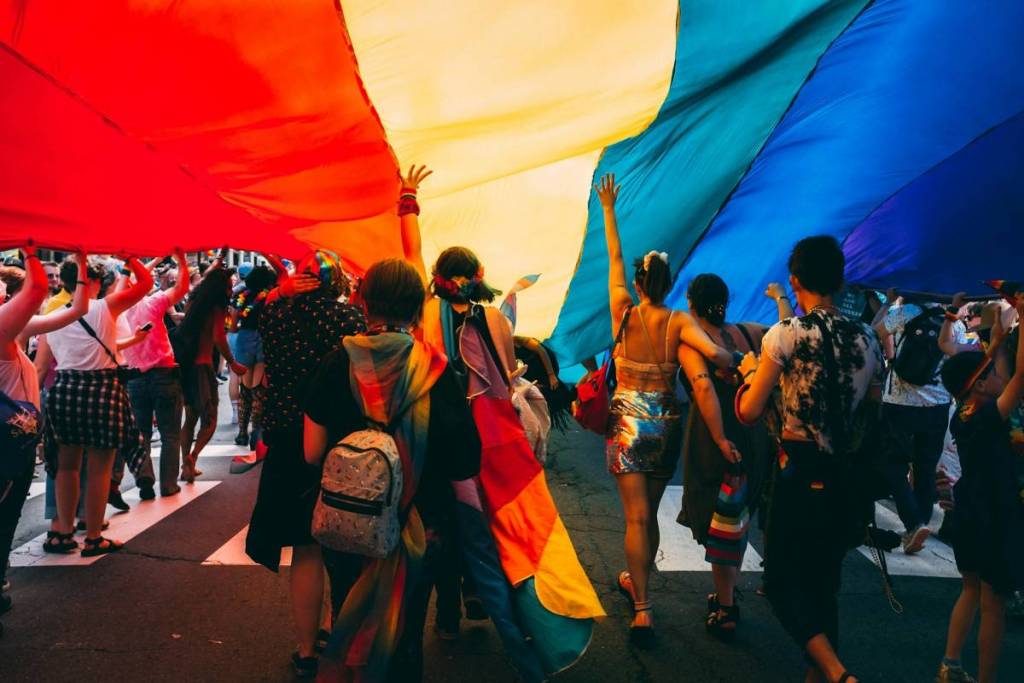
MADO (Madrid Orgullo) isn’t just Europe’s largest Pride celebration in terms of numbers — often drawing more than two million people— it’s a social phenomenon that “engulfs” the center of the Spanish capital.
This year, there are four epicenters for this multi-day marathon: Plaza de Españawill host the major concerts and galas, whilePuerta del Sol,Plaza de las Reinas, and Plaza de Pedro Zerolowill round out the lineup with performances, DJ sets, drag shows, and events related to LGBTIQ+ culture.
As always, balconies will be filled with flags, and the main squares will host open-air stages, buzzing with energy from noon until dawn.
The citywide parade, which winds its way from Atocha to Plaza de Colón, is living proof of Spain’s colossal capacity for mobilization.
Paris, France (Marche des Fiertés): romance hand in hand with activism
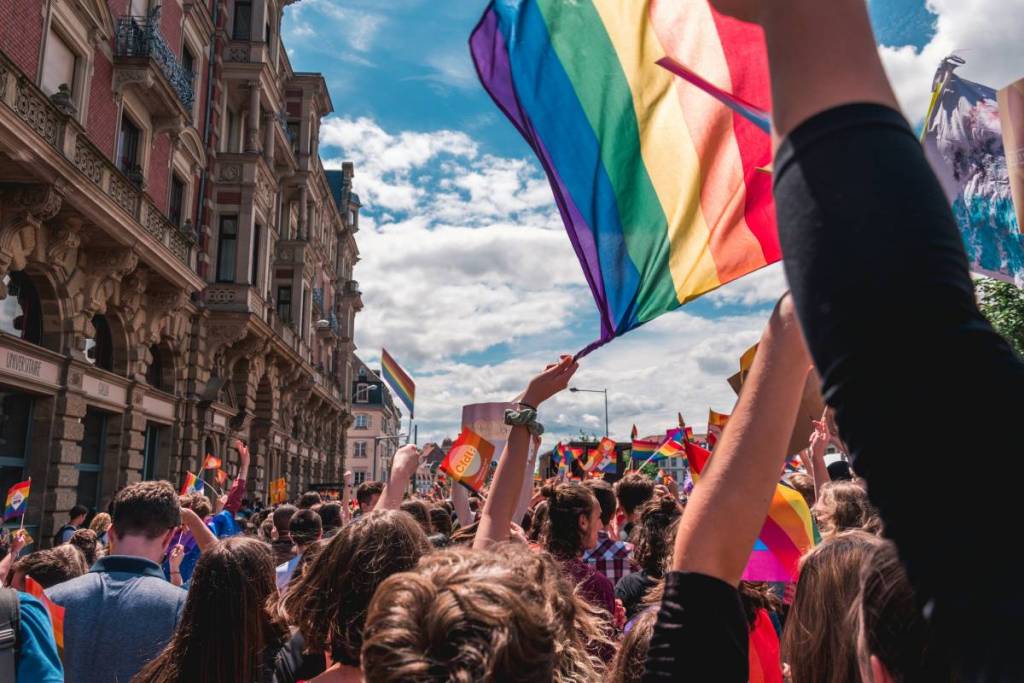
The Marche des Fiertés brings a clear sense of activist urgency to Paris’s grand boulevards, starting in the historic shopping districts and typically winding its way to the Place de la République.
The French march stands out for its unwavering commitment to the civic struggle, with dozens of human rights organizations leading the parade.
In the days leading up to Pride— now condensed into an intense Pride Week—the streets of Le Marais buzz with visual art exhibitions, debates, and cultural events, underscoring that visibility and intellect always go hand in hand in France.
London, United Kingdom (Stonewall Summer Pride Party): the weight of history in the metropolis
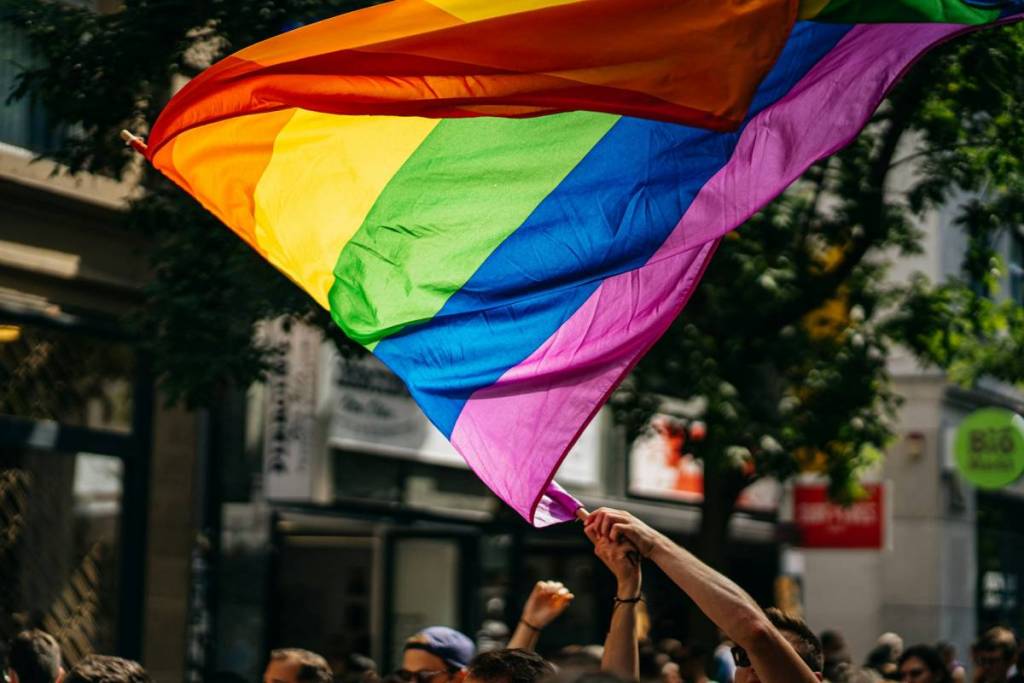
With its overwhelming scale, Pride in London winds its way through some of the most photographed settings on the planet.
The route connecting Hyde Park Corner to Whitehall, cutting through Piccadilly Circus and Trafalgar Square— —gives this parade a grandeur that’s hard to match anywhere else in Europe.
Despite its size, Soho (the historic home of London’s LGBTQ+ community) manages to retain the intimate atmosphere of a neighborhood party, with streets closed to traffic and bars spilling out onto the sidewalks, creating an atmosphere of collective celebration without barriers.
Amsterdam, Netherlands (Canal Parade): the manifesto on the water
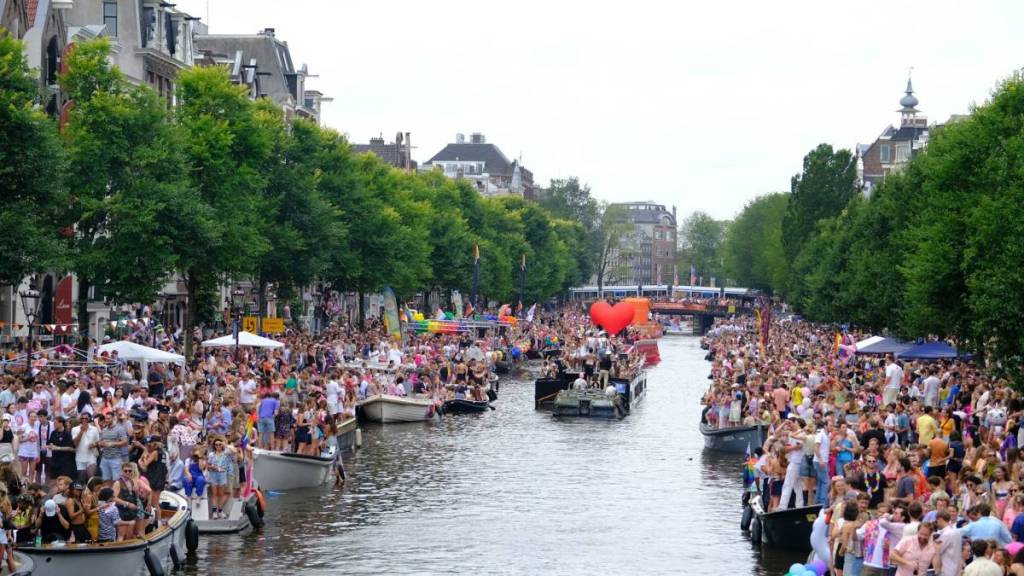
The Dutch capital has swapped the streets for the canals to create one of the world’s most unique celebrations.
The Canal Parade is the beating heart of this LGBT+ festival in Amsterdam, where, instead of floats, dozens of decorated boats sail through the city’s canals, while crowds jostle along the banks and on the bridges to watch.
More than just a visual spectacle, it’s an event with deep community roots that mobilizes everyone from small collectives to official institutions.
And the future looks promising, as Amsterdam prepares to host WorldPride in 2026, which will place the city squarely at the center of the global human rights map.
Berlin, Germany (Christopher Street Day): political heritage and clubbing culture
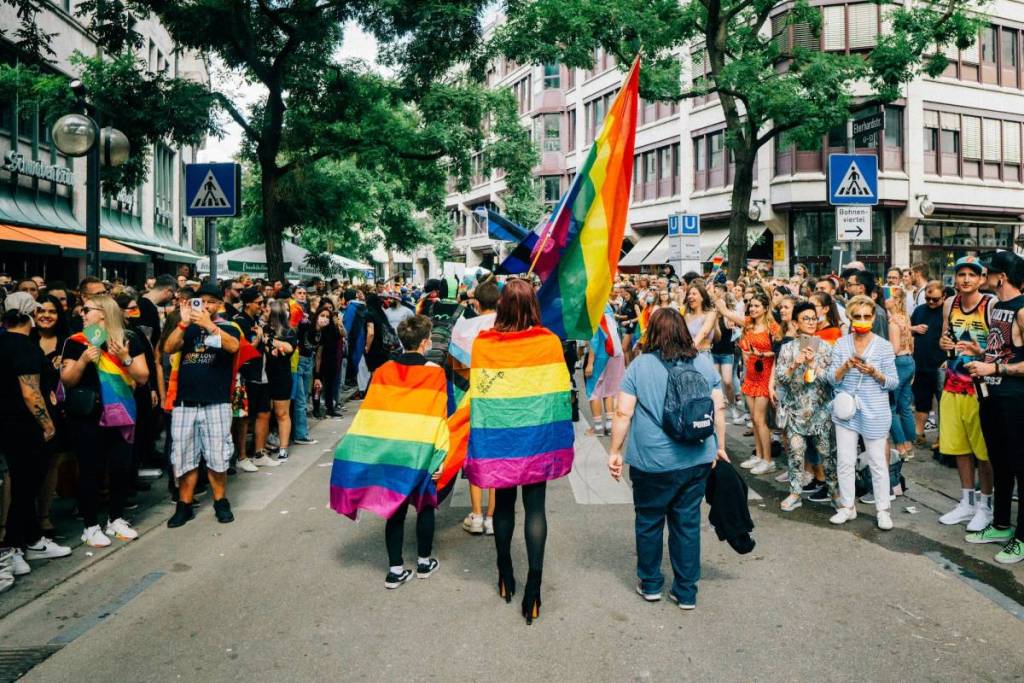
In the German capital, things are done with a rare rawness and intensity, with the local Pride event going by the name of CSD (Christopher Street Day)—a direct and unapologetic link to the roots of the Stonewall riots.
Berlin, the undisputed mecca of techno and counterculture, infuses that same identity into its parade, along a route that ends near the Brandenburg Gate.
It’s a wild collision between hard-hitting political demands and the industrial beats blaring from the speakers, revealing itself to be a deeply international parade —aesthetically free and stripped of prejudice.