
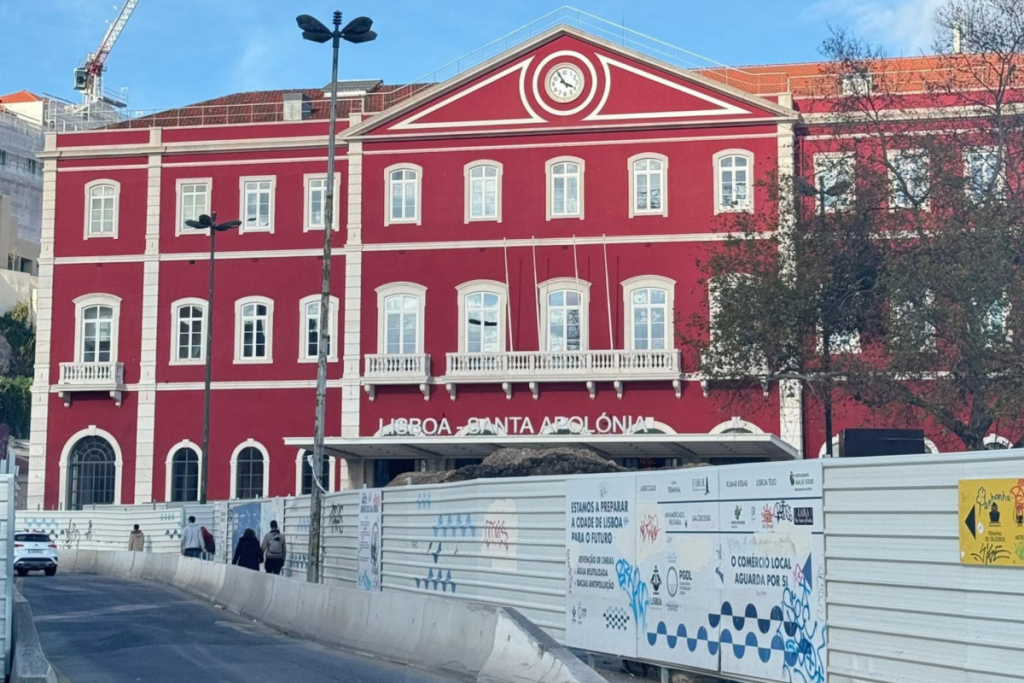

The Santa Apolónia Metro station will be closed for 14 months due to the new drainage tunnel; learn about the 2.8 million euro bill and the alternatives via Carris buses.
Let’s start with the money that the Lisbon City Council will have to pay to Metropolitano de Lisboa due to this disruption: about 6,600 euros for each day the station is closed, for a total currently estimated at 2.8 million euros.
Now, more importantly, the dates and alternatives for this closure

If you, too (like us), use the Blue Metro Line daily to get to or from downtown Lisbon, get ready to change your routines.
The Santa Apolónia metro station will close its doors starting in November— a forced shutdown that will last for more than 400 days, that is, until 2028.
The closure ofone of the most heavily used transit hubsfor those entering and leaving the capital stems from the urgent need tocomplete the Lisbon General Drainage Plan, which, as you know, aims to protect the city from recurring winter floods and inundations, in addition to offering other benefits.
Why is the metro station closing?
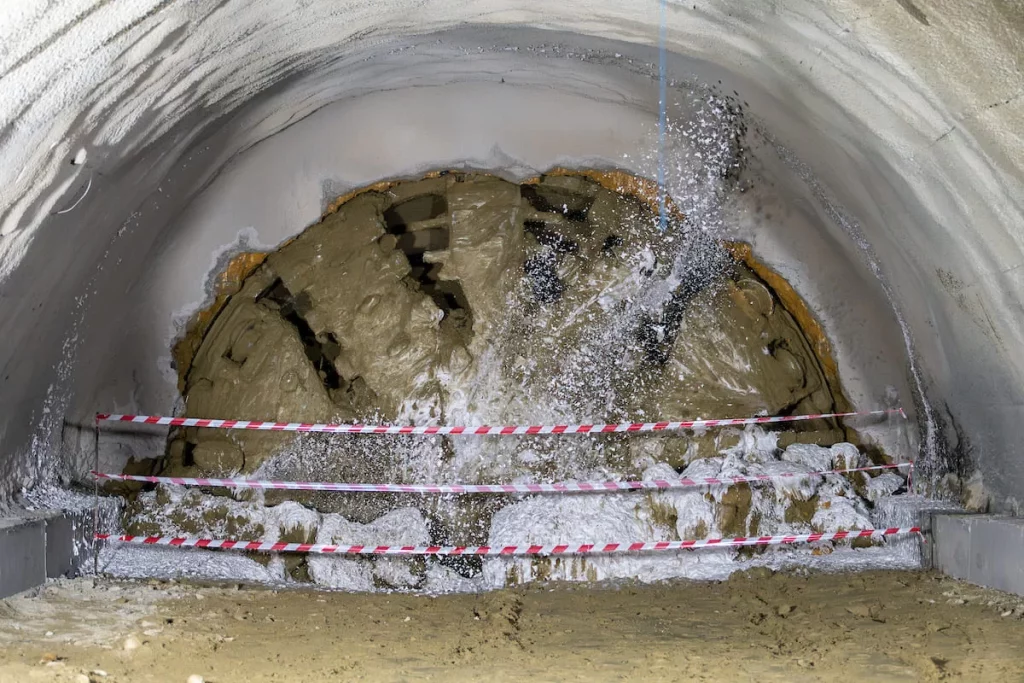
The tunnel boring machine started in Monsanto and, since the middle of last year, had been “stuck” in the Santa Apolónia area, just a few hundred meters short of completing the final stretch to the Tagus River.
The practical problem is that this new tunnel intersects with the Blue Line’s infrastructure, and to ensure everyone’s safety , extensive structural reinforcement is required— which makes it absolutely impossible to maintain train and passenger traffic at the underground station while the work is being carried out.
When do the construction works begin, and how long will they last?
According to the newspaper Eco, Gonçalo Reis, vice president of the city council, estimates that construction equipment will begin work on-site “between three weeks and a month” from now. In practice, this pushes the start of service disruptions to November.
Patience will be regular passengers’ greatest ally: the suspension is projected to last a minimum of 415 days and could extend up to 465 days, amounting to about 14 to 15 months of total disruption.
What are the transportation alternatives?
To prevent a transportation collapse in the riverside area, the city is finalizing a contingency plan to manage the thousands of passengers who arrive daily by train at Santa Apolónia and who usually transfer to the metro. The strategy is two-pronged:
- Additional Carris Service
- New bus lane to Cais do Sodré
Don’t miss the boat! Follow us onFacebook,Instagram, and now onWhatsApp too!