


The global Microsoft 365 outage, which began on Thursday afternoon and continued on Friday, November 13, is causing Outlook, Teams, and Copilot to remain unstable in Portugal as well, with Microsoft yet to indicate a time for full service restoration.
What is affected
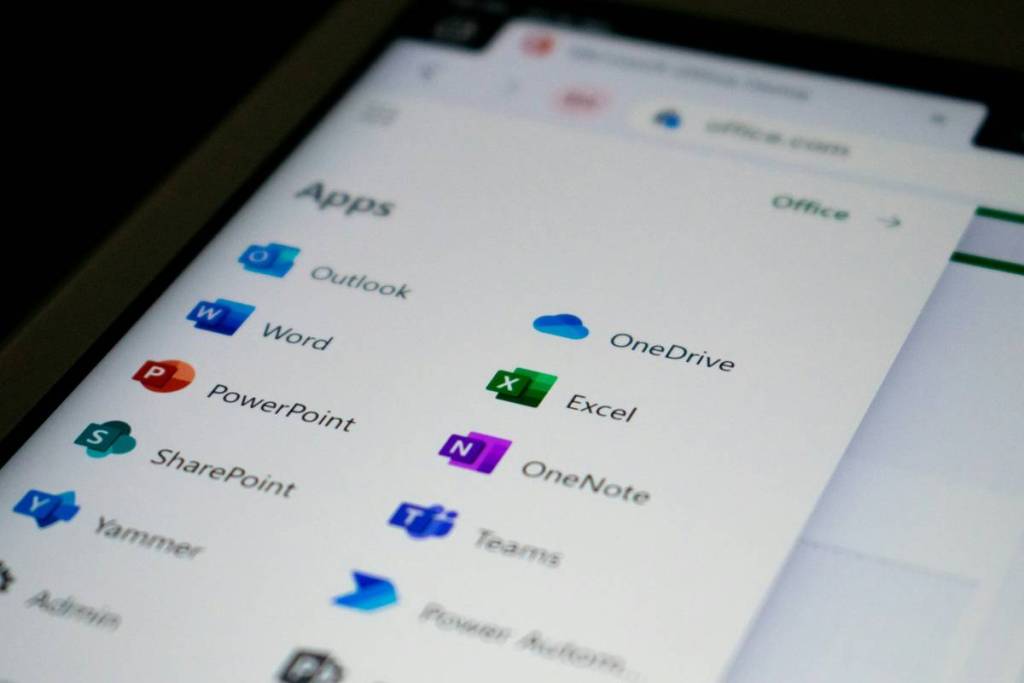
According to Microsoft, part of the infrastructure is under heavy load in several regions, causing connection errors.
On Thursday night, Downdetector (a website that tracks user complaints) had recorded more than 1,000 reports of Outlook issues in Portugal and more than 97,000 in the United States.
The peak in the U.S. exceeded 130,000 reports around 1:00 p.m. in New York (6:00 p.m. in Lisbon).
Cause and status of recovery

The problem began with difficulties accessing Exchange Online mailboxes (Microsoft’s cloud-based email, calendar, contacts, and tasks service) in the Americas.
Later, the company warned that connections to Microsoft 365 services could fail in any region. Microsoft notes that features relying on Exchange Online and email are the most affected, while the rest continue to function.
The list of services that may be affected, released by the company, includes:
- Microsoft Outlook;
- Exchange Online and Microsoft Teams;
- SharePoint Online and Microsoft Copilot 365;
- Microsoft Defender XDR and Defender for Office 365;
- Microsoft Planner, To Do, and Intune.
The impact has already spread beyond national borders. The outage has affected public agencies in Australia, Japan, and the United States, and OpenAI and Anthropic have reported issues with Microsoft connectors. This is the second disruption to 365 services this year.
Microsoft Copilot Executive Vice President Charles Lamanna stated on X that there is no evidence of malicious activity or a cyberattack behind the outage.
Microsoft explains that a process on the affected servers—responsible for establishing secure connections—becomes overloaded and stops processing requests.
The company also clarified that the high load is not due to an increase in traffic, but rather to servers that went offline and overloaded the remaining ones.
The recovery has been proceeding unevenly. On Thursday, Microsoft began bringing servers back online, rerouting traffic to alternative paths, and temporarily limiting traffic in certain locations.
The adjustments, however, did not result in a sustained recovery, and the company has seen only partial recovery in the regions where it applied them. It has also begun rolling back a recent change to the network configuration—which coincides with the onset of the problem—and is preparing a configuration change to apply to all affected servers.
What can you do?

For the average user, Microsoft does not recommend taking any action: the problem lies with the service itself, not with your computer or network. Keep an eye on the DownDetector website to see the status of Microsoft services affected by this outage.
The piece of information that caught our attention most in the company’s guidance is directed at IT teams: as long as an incident is open, you should not reset passwords or rebuild Outlook profiles unless Microsoft expressly requests it.
Don’t miss out! Follow us on Facebook, Instagram, and now on WhatsApp too!