

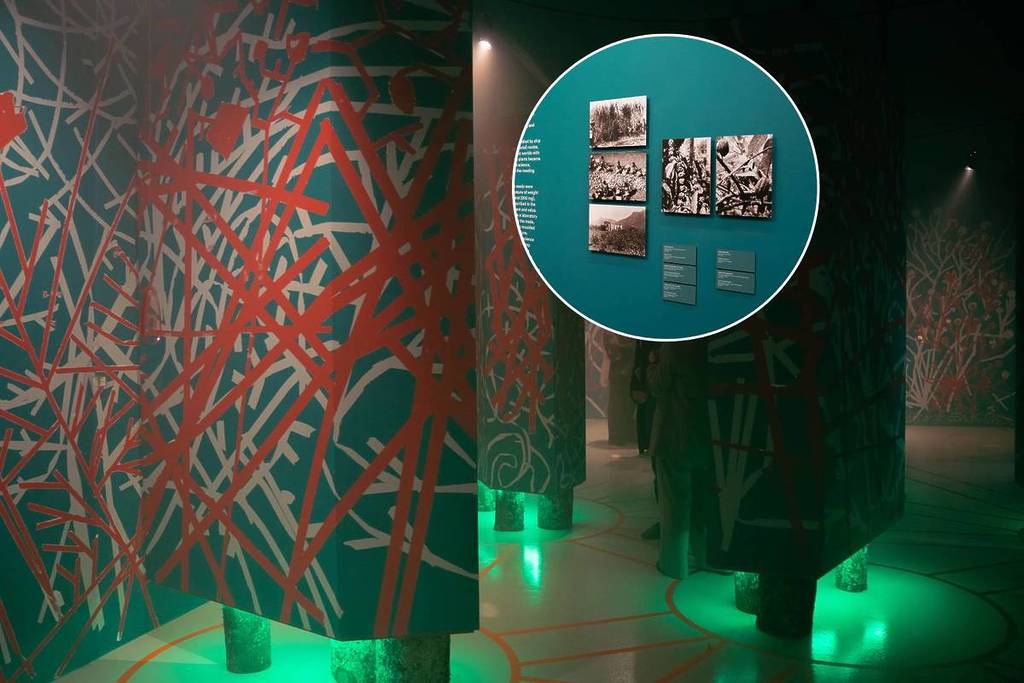
Have you ever thought about this: how plants have influenced the creation of the Internet we know today? This is precisely the kind of question – and many more – that you’ll find answered in the latest temporary exhibition at the Museum of Communications.
This exhibition will reveal the botanical side of our digital history, an “invisible” history without which we wouldn’t be connected today.
The plants that created our WWW (World Wide Web)
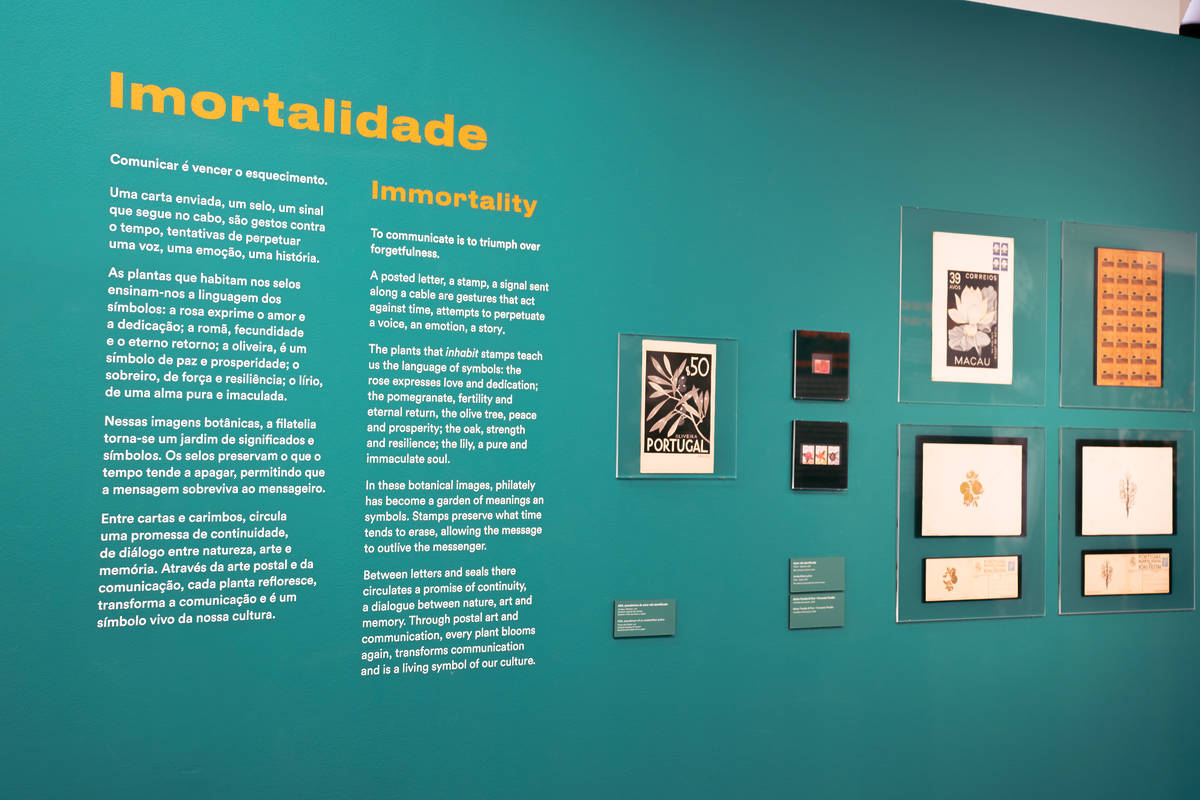
Few will know that the story of human communication is often told through metals, electricity and silicon. However, there is an invisible, organic layer without which we would not be connected now: the plant world.
Until the end of November 2026, the Museum of Communications is hosting the exhibition “Communicating is Natural. Botany in Communications”, an exhibition that challenges our perception of technology.
Long before touch screens, the written word depended entirely on botany to survive the ages. The exhibition follows this essential path, from ancient papyrus to the paper we still use today.
But the influence of plants goes further:
- Permanence of the text
- The ferrogallic ink responsible for the durability of historical manuscripts was extracted from the tannins of oak saplings;
- Security and sealing
- Vegetable gums were the first guardians of privacy, sealing letters across oceans;
- Logistical strength
- Postal logistics historically relied on linen, cotton and hemp to ensure that mailbags withstood transportation.
This experience will culminate in an immersive space where you will be transported to a forest that is both real and symbolic, uniting nature, communication and civilization in one place.
Address: Rua do Instituto Industrial 16 (Communications Museum)
Opening hours: until November 30, Monday to Friday, from 10 a.m. to 6 p.m.; Saturdays from 2 p.m. to 6 p.m.; closed Sundays and public holidays
Tickets: free
Don’t miss out! Follow us on Facebook,Instagram and now also on WhatsApp!