

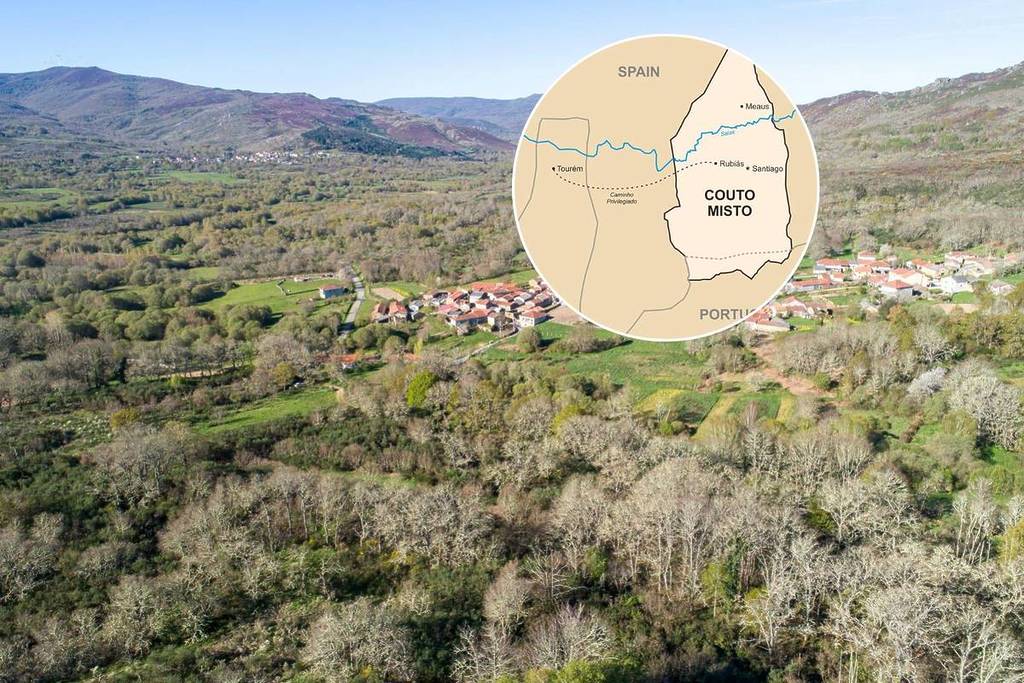
Portugal is one of the oldest countries in Europe. However, History as a discipline in the Social Sciences and Humanities has the power to continue to surprise us, so there is no shortage of unusual curiosities to (re)discover, such as the case of Couto Misto.
In case you’ve never heard of it, you’ll already know that it was an independent microstate on the Iberian Peninsula until the 19th century; something that the then kingdoms of Portugal and Spain classified as an “anomaly” that would be ‘corrected’.
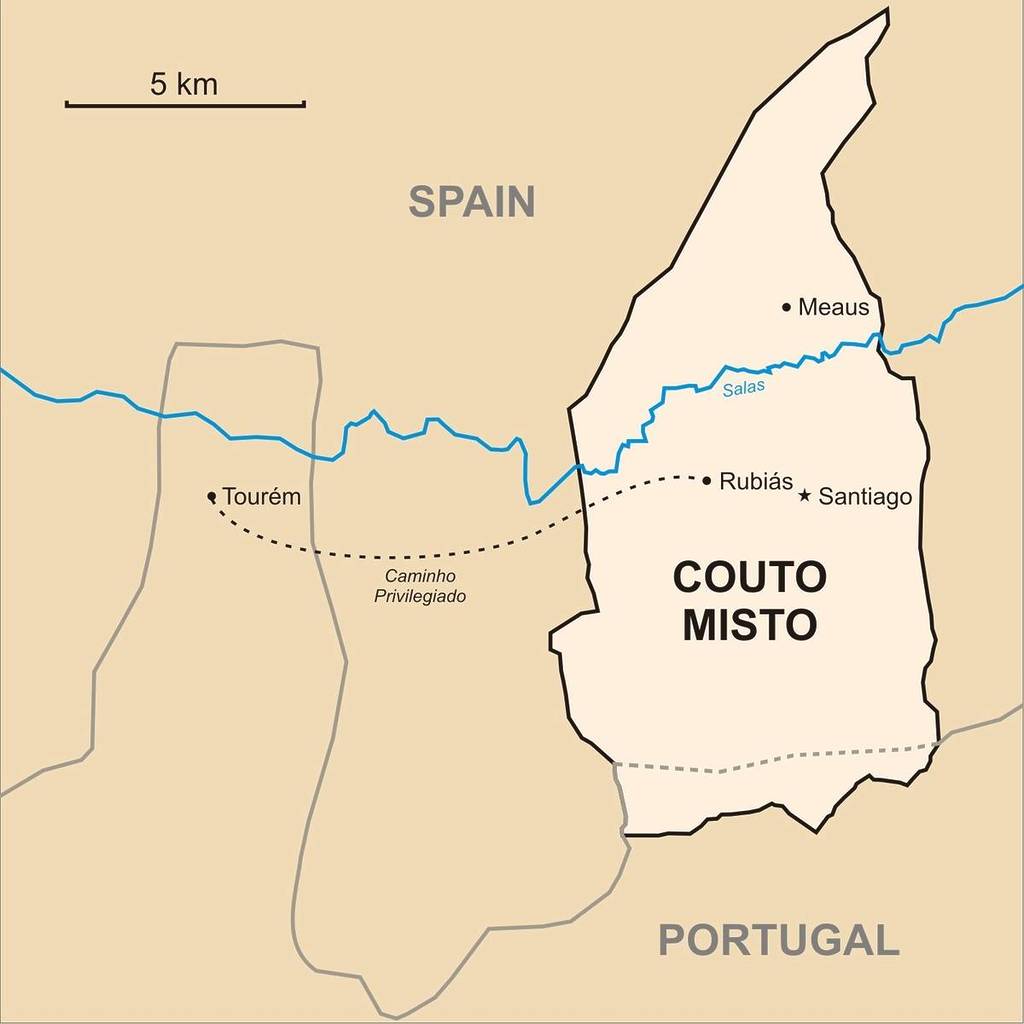
Covering a small slice of the present-day province of Ourense (in Galicia) and an uninhabited part of the municipality of Montalegre (in the district of Vila Real), the Couto Misto (in Galician, Couto Mixto) was a ‘no man’s land’ for over 700 years. Shall we find out why it was so special?
Table Of Contents
An independent microstate
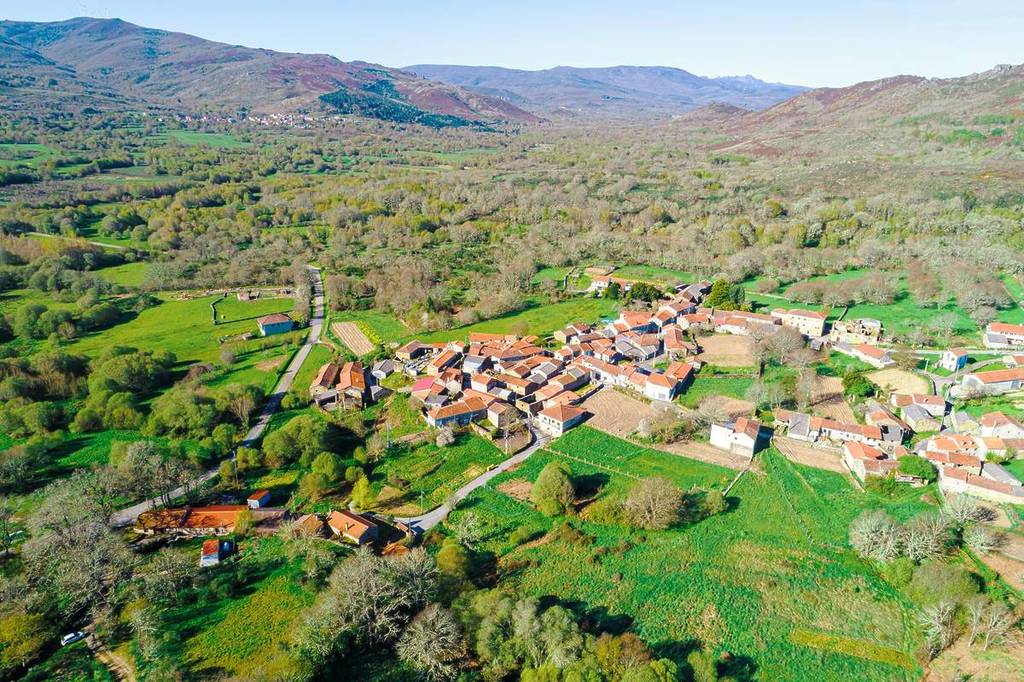
According to information from National Geographic Portugal, Couto Misto was an independent microstate of around 27 square kilometers, which belonged neither to the Portuguese nor the Spanish crown. Its territory included the Galician villages of Rubiás, Santiago de Rubiás and Meaus, as well as a small strip of the municipality of Montalegre, as already mentioned.
Due to the complexity of medieval manorial relations, this territory remained ‘forgotten’ until September 29, 1864, when the Treaty of Lisbon was signed between Portugal and Spain to fine-tune some border details. But we’ll get to that.
The origins of Couto Misto
According to National Geographic Portugal, “no one knows exactly how it was created, but it’s likely that the uncertainty of the borders that remained until the Treaty of Alcanizes in 1297 postponed real Portuguese or Spanish responsibility for the territory”.
However, according to Wikipedia, it is believed that its origins date back to the 10th century and the independence of Portugal, with Couto Misto presumably linked to Piconha Castle and later to the House of Bragança. But some aspects remain unclear to this day.
Privileges of the Couto Misto
For now, we want to tell you about some of the many privileges that made this territory a special place, whose reality in no way resembled, for example, the inhabitants of the kingdom of Portugal. There were no kings here, but a peculiar form of self-government.
According to the sources consulted, these are some of the privileges that stand out and make this a unique story:
- Non-existent nationality: the inhabitants could choose to be Portuguese, Spanish or neither;
- Exemption from military service and taxes;
- Refuge and asylum: it served as a ‘hiding place’ for many criminals and fugitives, as the Iberian authorities could not arrest anyone inside the Couto Misto, with the alleged exception of blood crimes;
- Self-government: through the election of a judge or mayor;
- Its own flag and anthem;
- Freedom of cultivation and trade: the inhabitants could trade and cultivate all kinds of foodstuffs, including tobacco – which was heavily restricted in the kingdoms of Portugal and Spain – and they could travel on the “Path of Privilege” (a neutral space about 6 km long).
Lisbon Treaty and the end of the “anomaly”
In order to fine-tune some territorial issues, Portugal and Spain signed the Treaty of Lisbon on September 29, 1864, which determined the end of the independent microstate, then considered an “anomaly”.
However, the official annexation by both countries took place a little later, in 1868. It was the beginning of the end for Couto Misto, but that doesn’t mean that its memory has faded.
Contemporary ‘resurrection
The history of this very special place, sometimes associated with smuggling and the refuge of lawless individuals, has not been forgotten. In fact, despite its official dissolution in the mid-1990s, it has resurfaced.
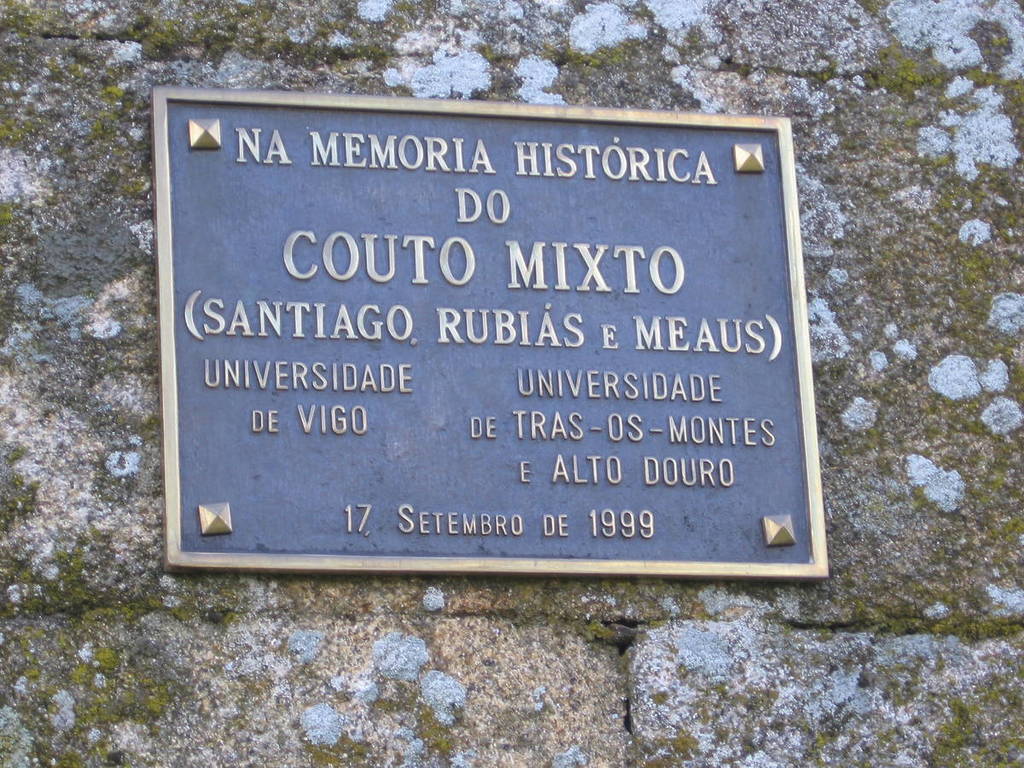
Thanks to the interest of historians from the University of Vigo and the University of Trás-os-Montes and Alto Douro, but also to the creation of the Association of Friends of Couto Misto.
Made up of Galicians and Portuguese, this collective aims to recover the historical legacy of the former Iberian microstate by promoting various activities. A ‘disappeared’ territory with echoes in the present!
Don’t miss out! Follow us onFacebook, Instagram and now also on WhatsApp!