


Fortunately, on the RTP website, you can find RTP Play, which is full of great shows, series, and documentaries.
We’ve selected 10 of our favorites for you to watch whenever you like—completely free of charge.
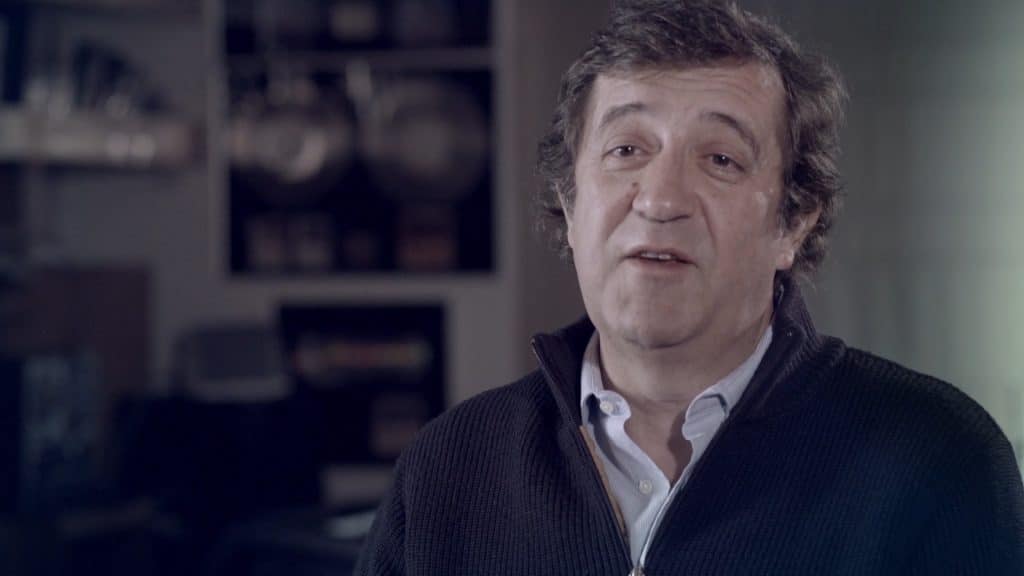
“A Arte Elétrica em Portugal” is a music documentary series that has already aired two seasons. The first season has six episodes and focuses on the history of rock in Portugal from the 1960s to the early 1990s.
It features interviews with more than 50 people, including testimonials from some of the most influential artists and bands in Portuguese music, such as José Cid, Paulo de Carvalho, Rui Veloso, Jorge Palma, Rui Reininho, Lena d’Água, and Adelaide Ferreira.
It covers music, but also “drugs, rivalries between bands, and many other interesting facts about the electric art movement in Portugal.”
The second season covers the period from 1993 to the present day, focusing on new sounds such as indie and hip-hop and showcasing new bands that have continued in rock or blended rock with new trends. The first episode is entirely dedicated to Xutos & Pontapés, featuring interviews with Capicua, Boss AC, Pedro Abrunhosa, David Fonseca, and Manuel Cruz, among others.
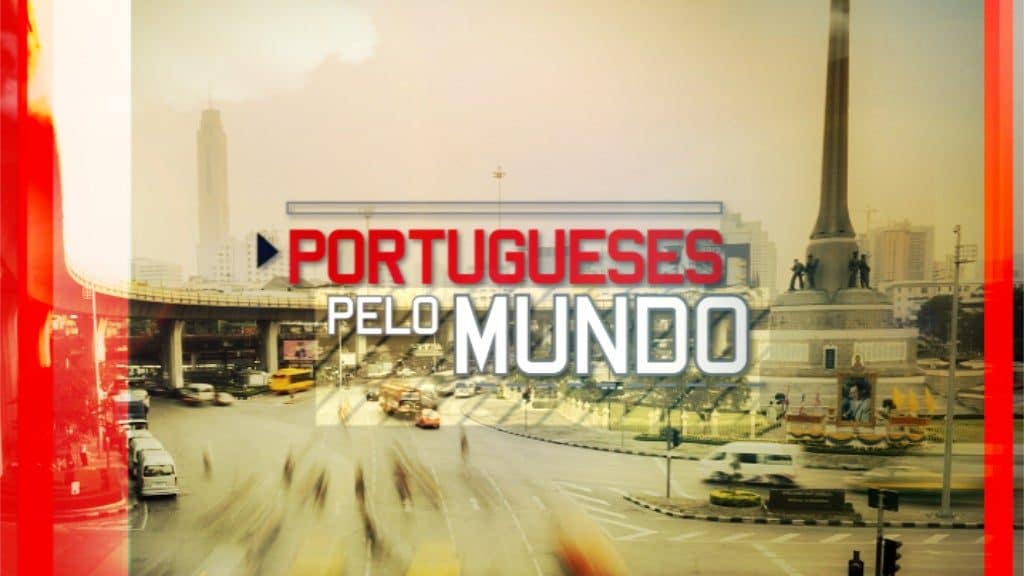
“Portuguese Around the World” has several seasons and continues to take us to the four corners of the globe in search of our compatriots.
From Asia to the Americas, we’re guided by Portuguese people who introduce us to their daily lives as well as the cultures, traditions, cuisine, and interesting facts about the places where they live. On RTP Play, you can watch all 32 episodes.
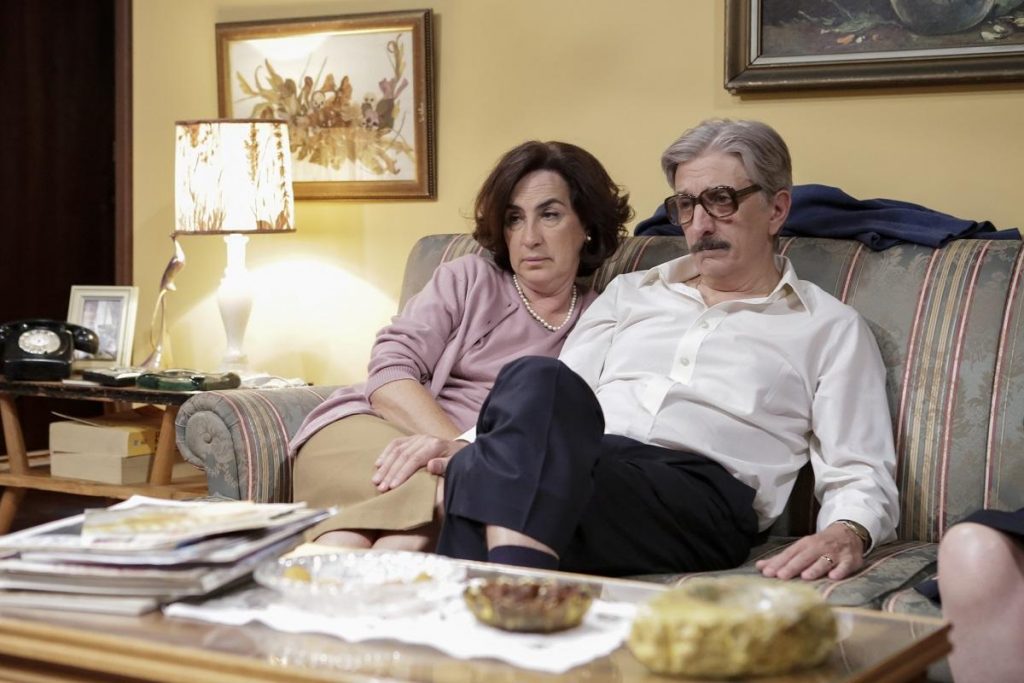
“Tell Me How It Was” is a period drama that beautifully blends drama and comedy.
In it, you can follow the daily life of the Lopes family from the 1960s—during the final years of the Estado Novo—through the 1980s, when the most recent season takes place.
It’s the perfect series to follow the socioeconomic and political evolution of our country and a unique opportunity to reminisce or relive the past.
On RTP Play, you’ll find over 100 episodes.
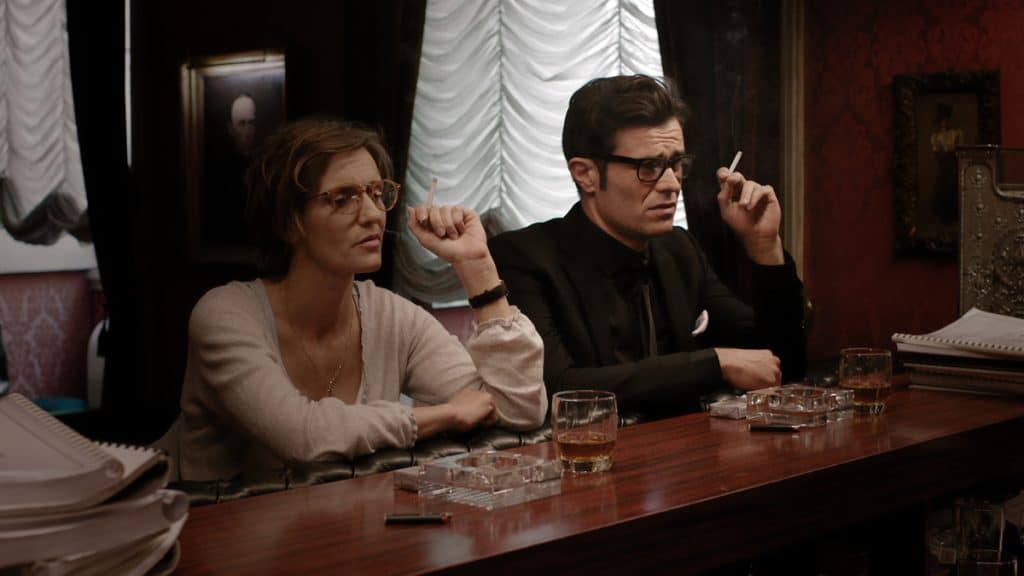
An original idea by comedian Bruno Nogueira, “Sara” was the first television series by the talented director Marco Martins.
In 2019, it won the SPA (Portuguese Society of Authors) Award for Best Fiction Program and took home the prize for Best Series/TV Movie at the Sophia Awards presented by the Portuguese Film Academy, thus establishing itself as one of the most significant programs on Portuguese television in recent years.
Throughout the eight episodes, the series offers “a satire on the Portuguese audiovisual industry and, in particular, the world of television, featuring an extraordinary cast.” The cast includes Beatriz Batarda, Nuno Lopes, Albano Jerónimo, José Raposo, Miguel Guilherme, Rita Blanco, and Bruno Nogueira.
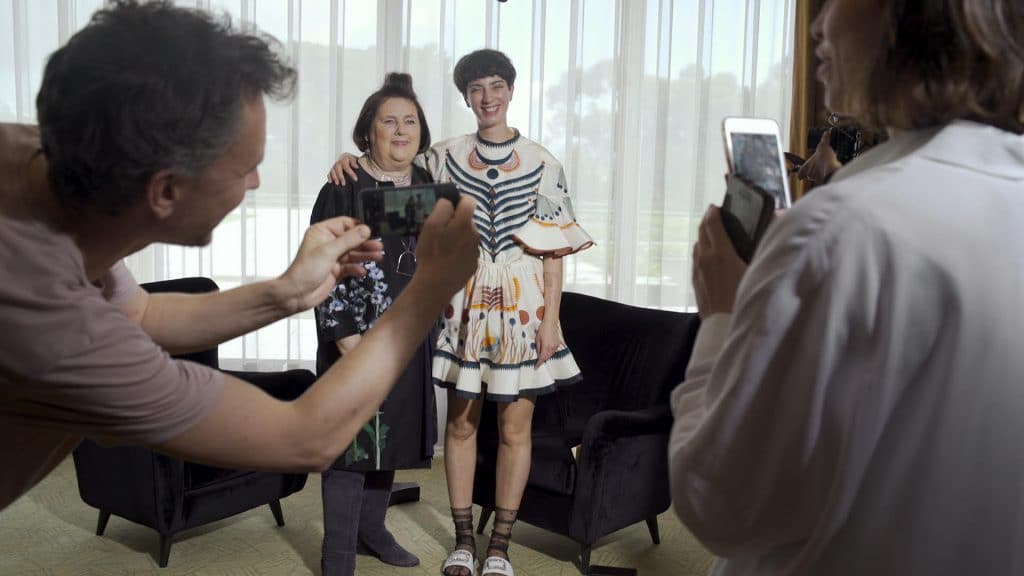
“Armário” is billed as a “fashion magazine hosted by Joana Barrios,” but in reality, fashion is merely the starting point for a broader discussion on topics such as aesthetics, female empowerment, beauty, communication, anthropology, and stereotypes.
Each episode offers a new perspective on these topics, bringing together experts from this “multifaceted, surprising, and sometimes incomprehensible industry.”
Photographers, designers, anthropologists, activists, and creators offer their perspectives while sharing stories, philosophies, and beliefs.
All episodes can be watched or rewatched on RTP Play.
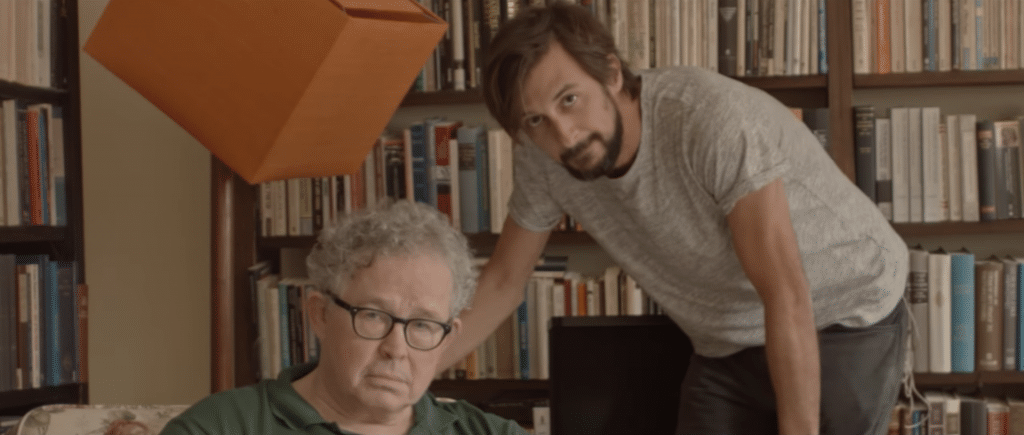
Each of these 13 episodes is a conversation centered on a “timeless theme,” always hosted by Bruno Nogueira and Miguel Esteves Cardoso.
Along the way, the series features guests such as José Avillez, Rita Blanco, Ana Bola, Nuno Markl, and Rodrigo Guedes de Carvalho.
A sense of humor is the guiding thread of this show, while everything else is quite random, and you never know where the conversation will end up—whether it’s love, arguments in traffic, or the way our moms use their cell phones.
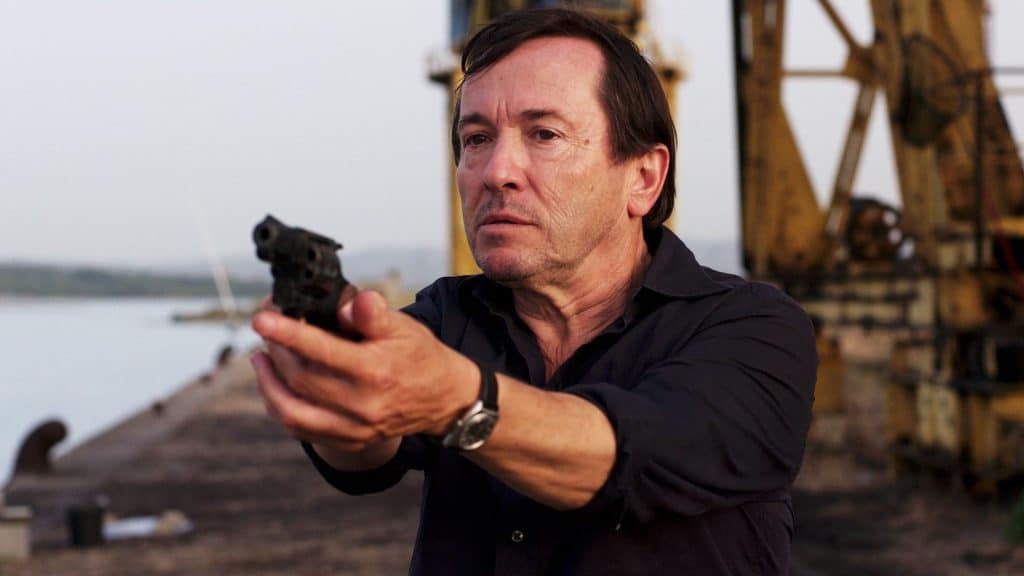
“Sul” is a nine-episode fiction series centered on a “police investigation based on a financial crisis in the country.”
Lisbon serves as the backdrop for the entire narrative, and the cast includes some of the country’s greatest talents, such as Ivo Canelas, Margarida Vila-Nova, Afonso Pimentel, and Adriano Luz.
The world depicted is noir and melancholic, and although it is fiction, all the characters help paint a portrait of the city and the country.
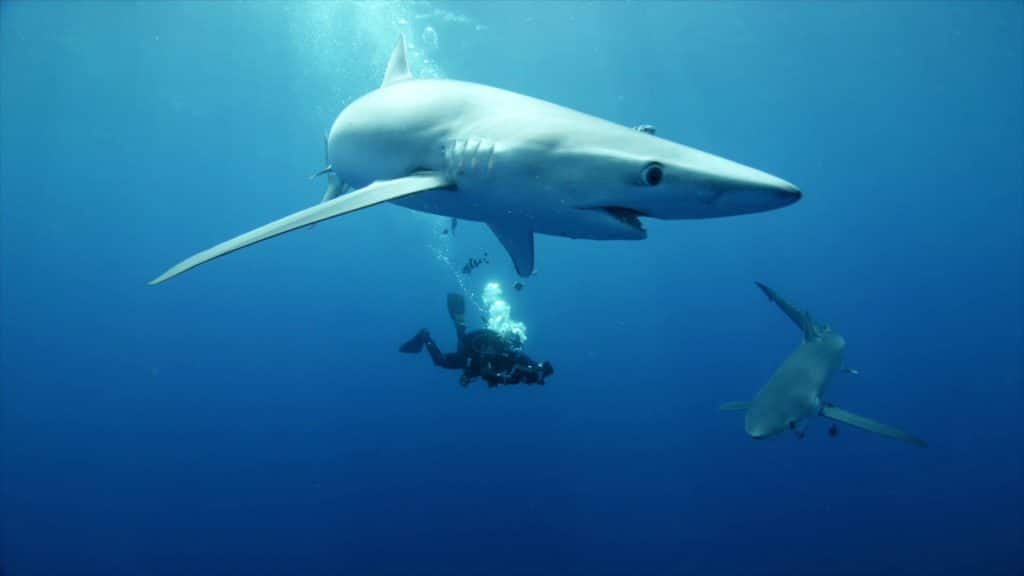
“Sea, The Last Frontier” was a project by RTP, in collaboration with the Lisbon Oceanarium and the Oceano Azul Foundation, with the goal of showcasing Portugal’s sea from a unique perspective.
It is the “largest documentary series produced in Portugal on marine life.” Over the course of six episodes, we follow a group of divers, led by underwater filmmaker Nuno Sá, “as they explore the Portuguese seas from north to south, including the archipelagos of the Azores and Madeira.”
Whales, sharks, manta rays, and seals are just some of the animals you can discover, along with many other secrets of marine life.
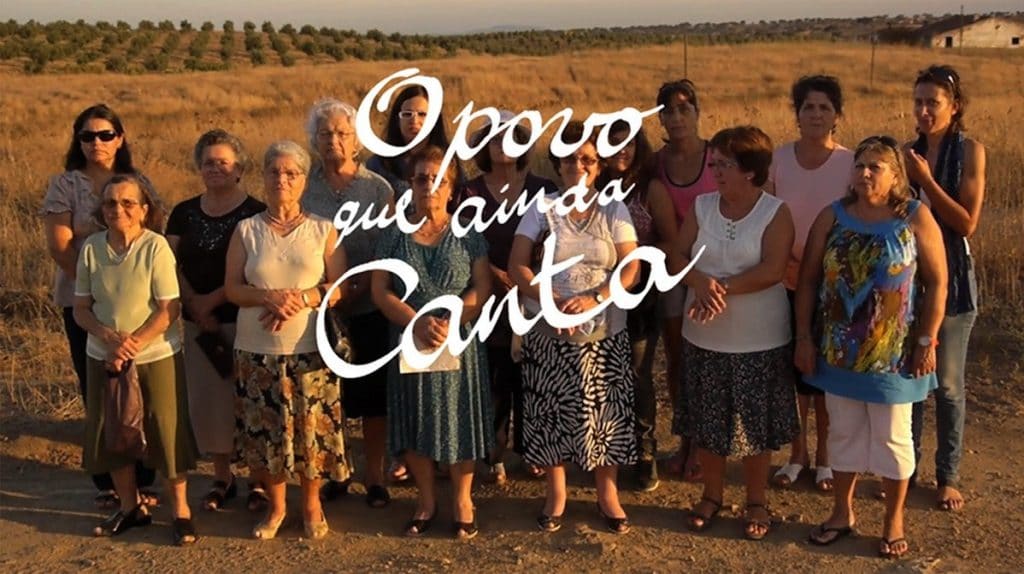
“The People Who Still Sing” is a documentary series created by Tiago Pereira, the driving force behind the project “Portuguese Music Loving Itself,“ which focuses on traditional and popular music from the north to the south of the country.
From Minho to Baixo Alentejo and from the Douro to the Azores, the series travels to the four corners of Portugal in search of traditional songs, traditional musical instruments—such as bagpipes and adufes—and rural dances.
Singers and musicians also share their stories, recounting personal experiences tied to music and the history of the venues themselves.
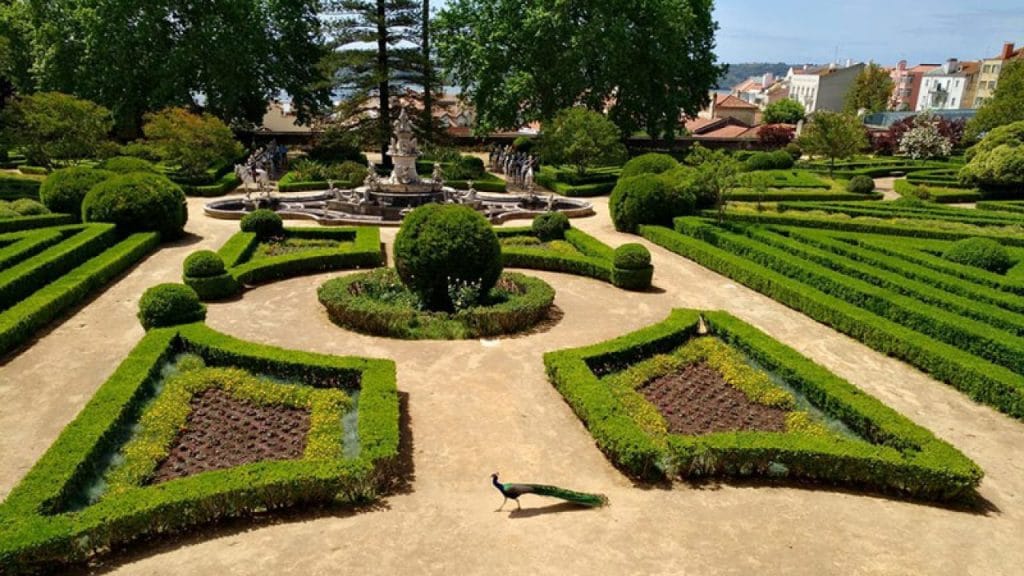
Hosted by Matilde Menezes Ferreira, “Paraíso” is a magazine-style series with half-hour episodes in which nature takes center stage.
The theme is to uncover the stories of “Portugal’s most beautiful gardens,” from the Lisbon Botanical Garden to the Boom Festival in Idanha-a-Nova.
Each episode features guests who help shed light on the unique aspects and treasures of these living collections.
Don’t miss out! Follow us on Facebook, Instagram, and now on WhatsApp too!