
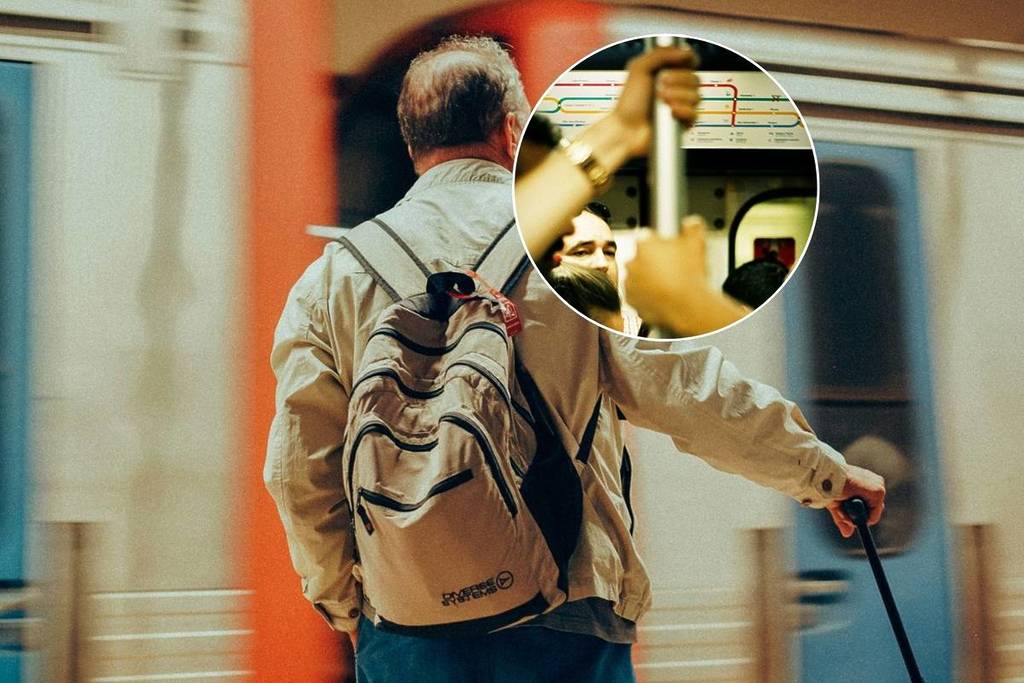

This isn’t a new thing; for several months now, the Lisbon Metro has been sending a very clear message to all passengers carrying something as common as a backpack: once inside the car, move your backpack down to your feet so as not to inconvenience other passengers.
We have to admit that, as users of this mode of transportation in Lisbon (and also as “backpackers”), we don’t understand how there are still people who don’t follow this rule!?
“Everyone” against backpacks on your back
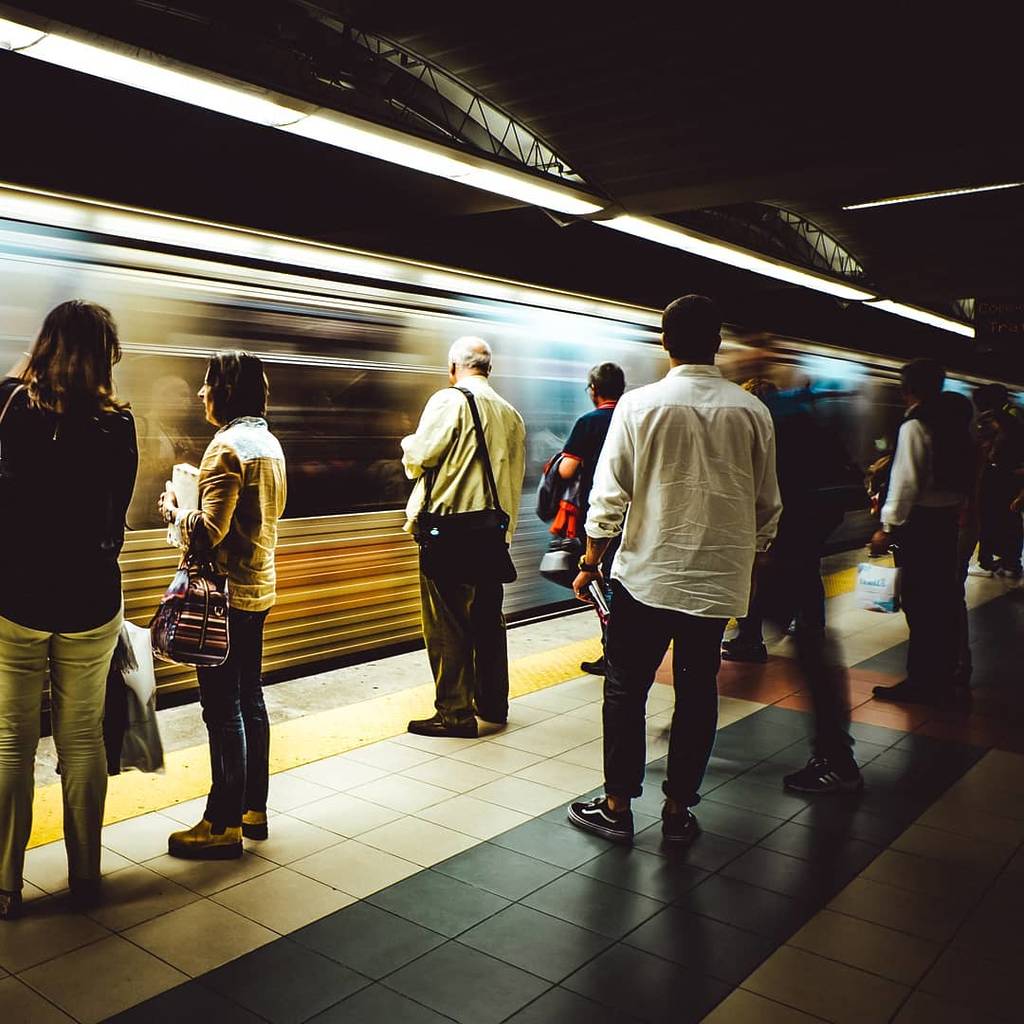
This could very well be the slogan for a campaign promoting civility on public transportation, which often (or almost always) “suffers” from capacity issues, especially during rush hour.
Anyone who uses the Lisbon Metro daily—or even other forms of public transportation, such as CARRIS buses or CP trains—knows that space is a very limited resource; however, a gesture as simple as keeping your backpack on your back can be the trigger for total discomfort for dozens of people traveling nearby.
It was precisely with this space management issue in mind that several subway systems across Europe, including Lisbon’s, issued a direct message to all their passengers: “Backpacks should not be carried on the back inside the cars.”
Therefore, we ask that backpacks, large bags, or even briefcases be kept at their owners’ feet—never on their backs or in walkways, particularly near seats or even occupying them.
The “obstacle effect” that annoys passengers
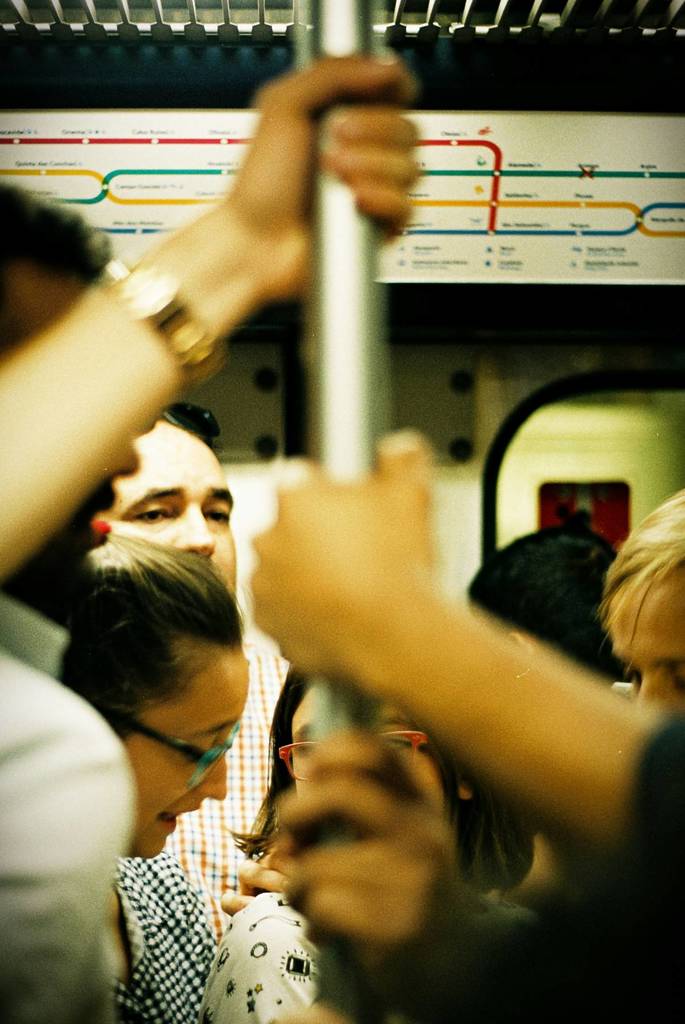
Often, those who do this don’t even realize it—out of habit or convenience—forgetting that a backpack on your back takes up nearly half the space of another person, not to mention making it difficult to pass through the aisles of public transit, which are already very narrow to begin with.
As the rules of good citizenship dictate (or should), the recommendation is clear: as soon as you enter the train car, you should take your backpack off your back and place it on the floor, next to your feet—but preferably between your legs.
This measure not only frees up vital space for other passengers but also increases the safety of the passenger themselves, who then has direct visual control (or nearly so, if the vehicle is very crowded) over their belongings, preventing potential pickpocketing.
Obviously, this rule applies not only to the Lisbon Metro but also to the city’s other forms of public transportation: trains, buses, and trams.
Other rules of good behavior we should all follow on public transportation
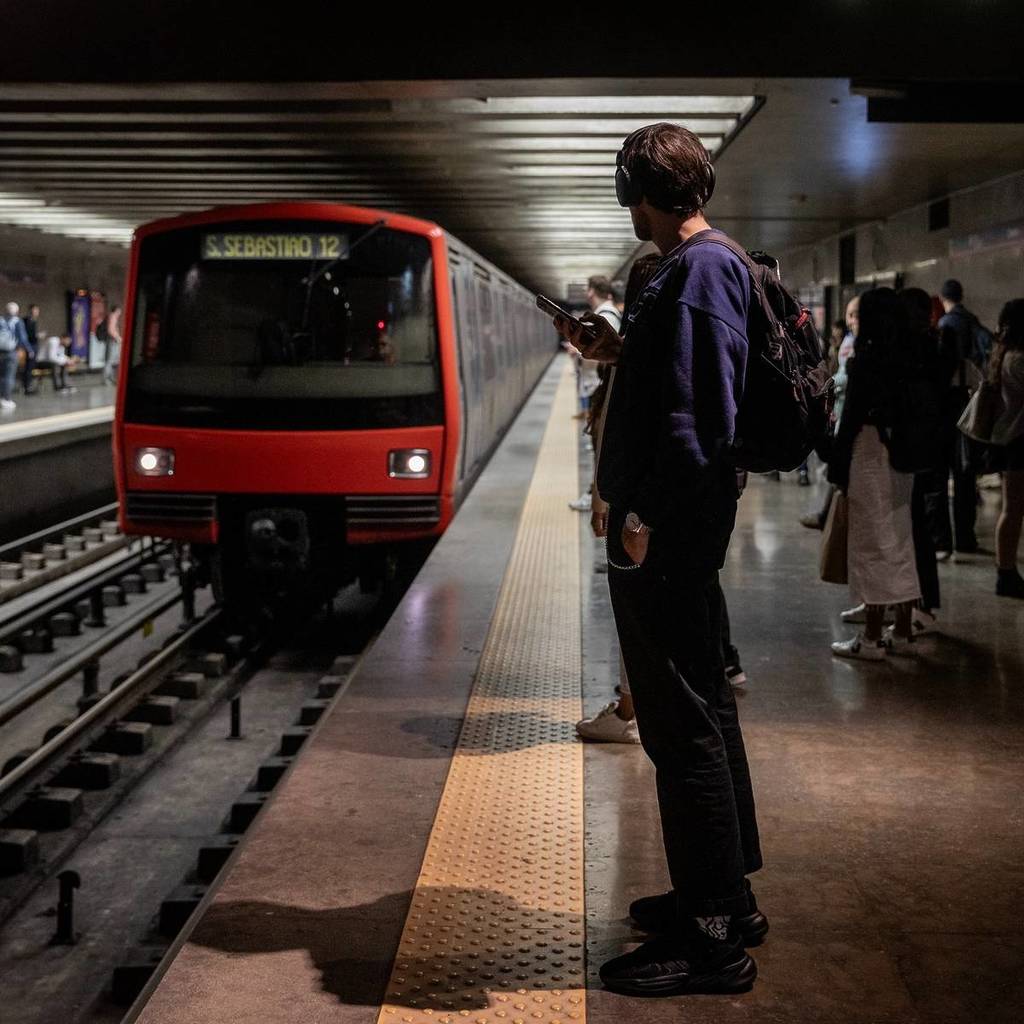
We won’t even mention that, when using escalators, we should always stand on the right so that others have a clear path to pass (in case they’re in more of a hurry than we are); we believe this practice is already well-established in our society.
Other measures we should follow include, for example, not placing our luggage on empty seats: it’s common to see passengers use the adjacent seat to set down their backpacks or bags, often under the pretext that they can “keep an eye on” them better that way. Sure, but that takes away a seat from someone who paid for their ticket or monthly pass.
The truth is that seats are for the exclusive use of people, regardless of the mode of urban transportation; it’s common sense.
Another thing we can start paying attention to is the handrails—avoid leaning your body against them, as this prevents other people from holding onto them.
Loud music from cell phones, speakerphone calls that everyone can hear, not making way for people to get on and off, and, of course, hygiene on public transit are other issues reported by many passengers—issues that the Lisbon Metro addresses in its campaign on best practices. Shall we all start following them, without exception?
In summary
We believe that if you follow these golden rules, you’ll have a conflict-free trip:
- Backpack on the Floor
- Open Seats
- Always wear headphones
- Let people get off before getting on
What about you? Are you following the “rules”? Do you think the Lisbon Metro should do more to raise passengers’ awareness of these kinds of “rules”? Share your opinion with us on our social media—on Facebook, Instagram, and now on WhatsApp too!