


The VAT exemption on essential food items is set to return to Portuguese store shelves starting January 1, 2027, following the approval of the PS’s proposal with votes in favor from Chega during the committee review of the State Budget (OE2027).
If approved, the measure will take effect for an initial period of three months, through the end of March, with the possibility of quarterly renewal depending on inflation trends and the impact on public finances.
Recommended Articles
 CP Strike: Train Drivers to Strike on November 24 and 25; Train Disruptions Expected from November 23 to 27
 Strike on the Metro Sul do Tejo until November 23: total strike until Thursday at 4:00 a.m., partial strike until Monday, and possible delays
Although the committee has given the green light, the final list of products for 2027 must still be finalized and published by the Assembly of the Republic following the final vote on the budget as a whole and its promulgation by the President of the Republic.
Although the final list of products does not yet exist, we’ve looked ahead to 2023 and are listing here the 46 items that were exempt between April 2023 and January 2024.
The 46 products in the 2023 basket… that may be included in the 2027 basket

This basket of goods took effect on April 18, 2023, comprising 46 items selected in accordance with the recommendations of the Directorate-General for Health, and retailers and distributors had 15 days to adjust their prices:
- Vegetables
- Fruits
- Grains and tubers
- Legumes
- Meat, fish, and eggs
- Dairy products
- Fats and oils
What is the current status of the measure?

For now, nothing changes at the supermarket checkout! The PS’s proposal passed with Chega voting in favor, the PSD, CDS-PP, and Iniciativa Liberal voting against, and the PCP abstaining.
The final vote on the 2027 State Budget is scheduled for today, Tuesday, November 24, and the PSD may still request that the proposal be returned to the plenary for further discussion and a new vote.
How will price monitoring work?
One of the most sensitive issues in the measure’s previous implementation was ensuring that the tax reduction actually reached consumers’ pockets and was not absorbed by retail markups.
To address this concern, the text approved in the OE2027 is expected to require the government to publish detailed monthly data on the implementation of the zero VAT rate. These reports must include trends in retail prices, the profit margins on the food products covered, and the resulting loss of tax revenue for the government.
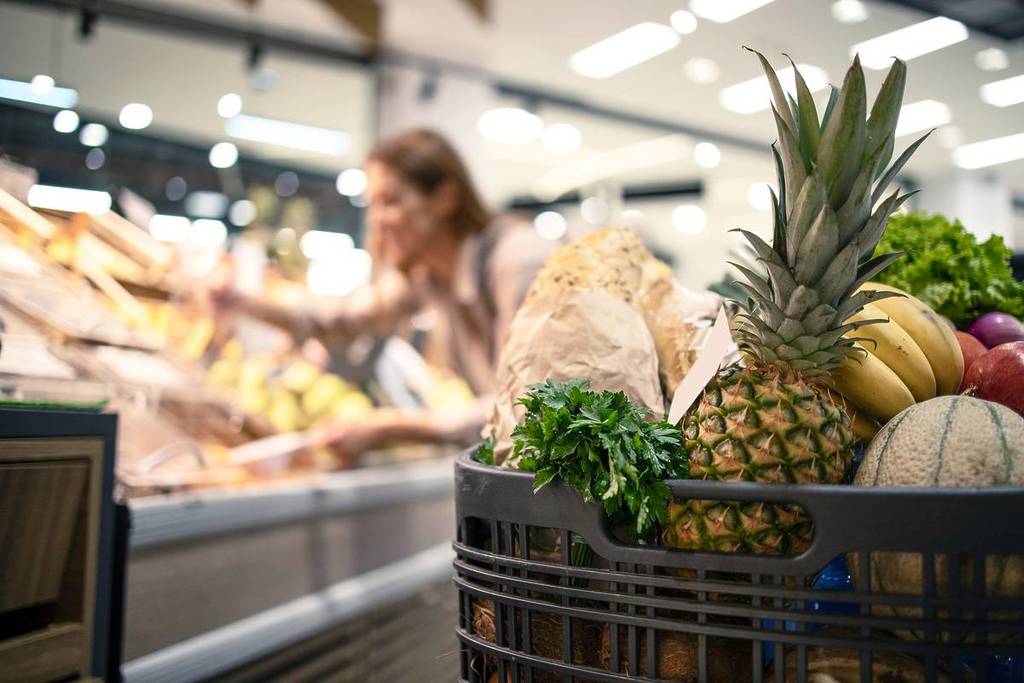
What will change for households (and who will foot the bill)?
In practice, the reduction of the VAT rate from 6% to 0% represents a direct savings of approximately 5.66% on the final price of each covered item, assuming the base price does not increase.
To finance the return of the zero VAT rate, Parliament mandated the end of the tax benefit that reduced the personal income tax (IRS) rate on residential rents up to 2,300 euros per month to 10%. With this repeal, affected landlords will once again pay the 25% rate in 2027—a change that, while not immediately affecting existing leases (which are subject to the annual adjustment coefficient), could put upward pressure on rents in new leases and renewals.
If the budget passes and the measure remains in place, the zero VAT rate should take effect in stores starting January 1. When the government releases the 2027 list, we’ll find out how many of the 46 products from 2023 will be included again.
Don’t miss out! Follow us on Facebook, Instagram, and now on WhatsApp too!