
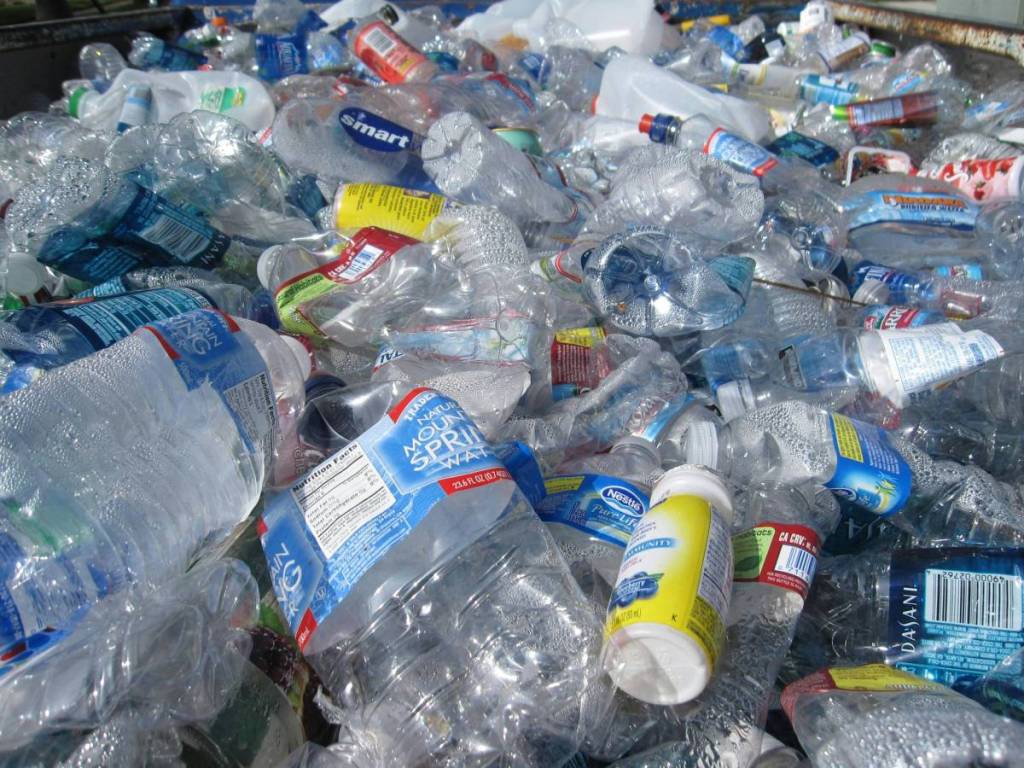

Six months after its launch, Volta—the deposit and refund system for bottles and cans—has already collected more than 450 million containers, according to SDR Portugal, which manages the program, as reported by Rádio Comercial. But it continues to raise questions and spark controversy: this Friday, October 16, marks the deadline set by the government for SDR to present a plan to address litter on the streets.
How Volta Works
Since April 10, every beverage sold in a plastic bottle or can of up to 3 liters bearing the Volta symbol costs an additional 10 cents, which is refunded when the container is returned to a collection point, explains the official Volta website. Excluded from this program are glass containers, which should still be placed in the glass recycling bin; cardboard packaging such as Tetra Pak; and beverages containing more than 25% dairy content.
To be accepted, the container must be empty and intact, with the barcode in good condition and, in the case of bottles, with the cap on. It does not need to be washed.
Where to return them and how to get your money back
There are more than 3,000 automated machines in supermarkets and hypermarkets, in addition to manual drop-off points and kiosks for large quantities. You don’t have to return to the store where you bought the beverage: according to DECO PROteste, stores with 400 m² or more must accept all packaging covered by the system, and those between 50 and 400 m² must accept only the packaging they sell.
The machines issue a receipt valid for one year, which can be used toward purchases or exchanged for cash. At supermarkets, the amount can always be requested in cash.
And will Volta come to an end?
No, at least not for now. In September, Lisbon Mayor Carlos Moedas called for the immediate end of the system because trash cans were being rummaged through by people looking for containers to claim the deposit, RFM reported. Environment Minister Maria da Graça Carvalho refused, noting that this is a European requirement. Later, according to *Observador*, the government asked the SDR to submit an action plan by October 16.
SDR assures that it will respond on time, but emphasizes that urban cleanup remains the responsibility of the municipalities. The European target is to collect 90% of beverage bottles and cans by 2029.
Don’t miss out! Follow us onFacebook,Instagram, and now onWhatsApp too!